
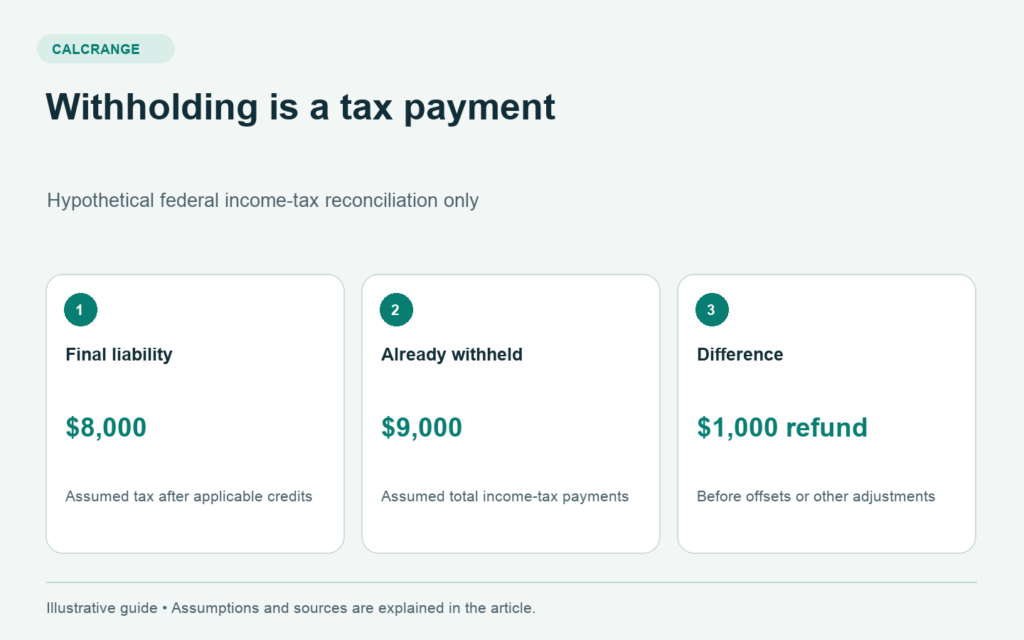
Tax Withholding vs Tax Liability: Why Take-Home Pay Can Change
Withholding is a payment toward tax. Changing it can alter a paycheck without changing the final tax liability produced by the same income and tax rules.
Understand the arithmetic behind pay, taxes, borrowing, interest, and savings. Start with the salary calculator, compound interest calculator, or mortgage calculator. Check the selected jurisdiction, tax year, fees, and exclusions before using any estimate for a decision.
Withholding is a payment toward tax. Changing it can alter a paycheck without changing the final tax liability produced by the same income and tax rules.
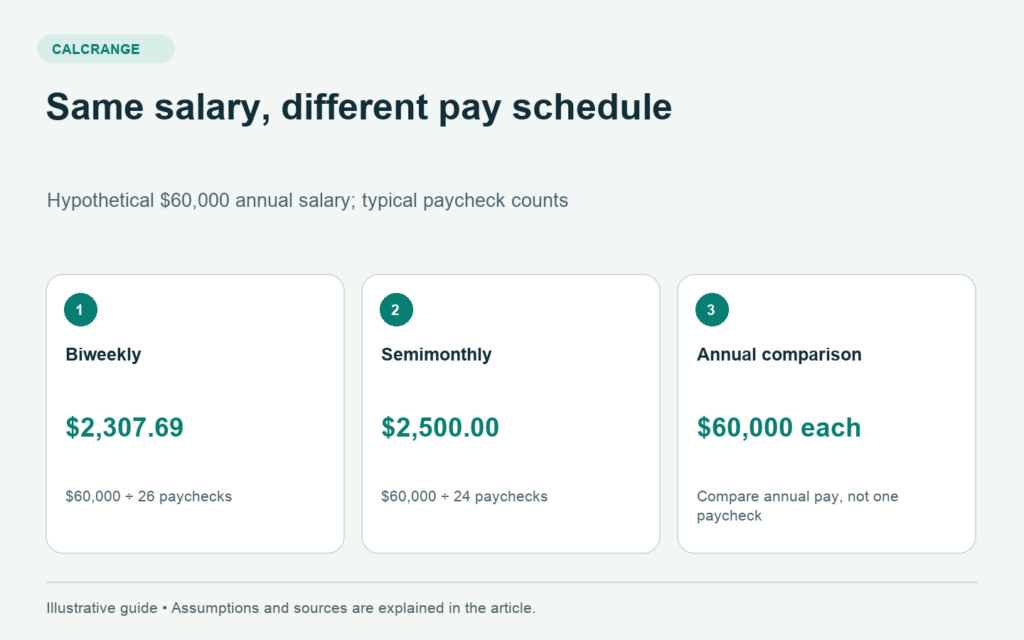
Every two weeks and twice a month create different paycheck amounts and dates. Compare annual salary first, then map the money to your monthly bills.
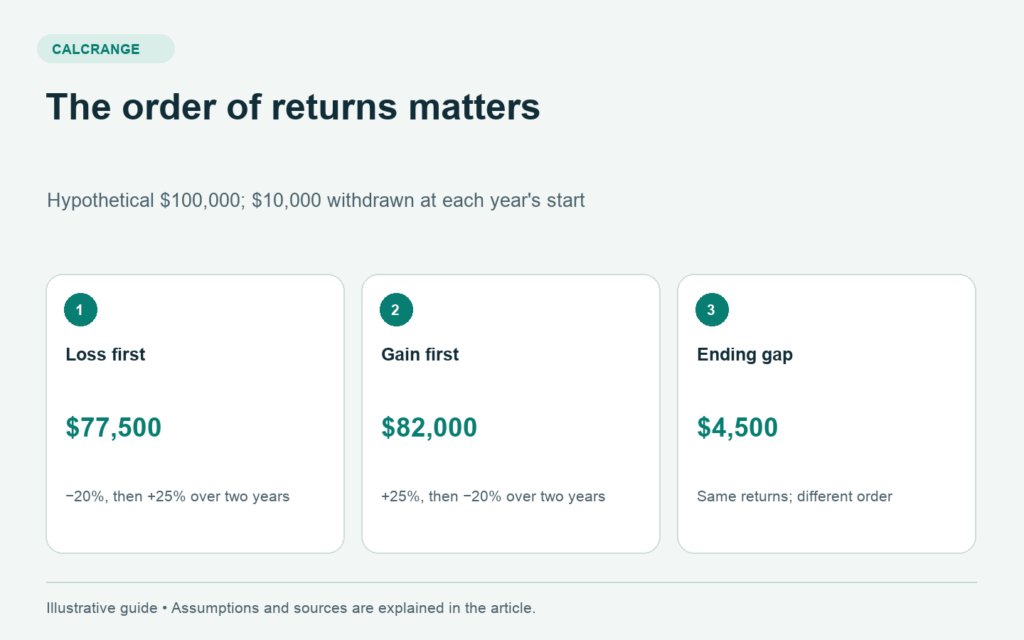
Two portfolios can experience the same returns and finish with different balances when withdrawals occur. A transparent example shows why order matters.
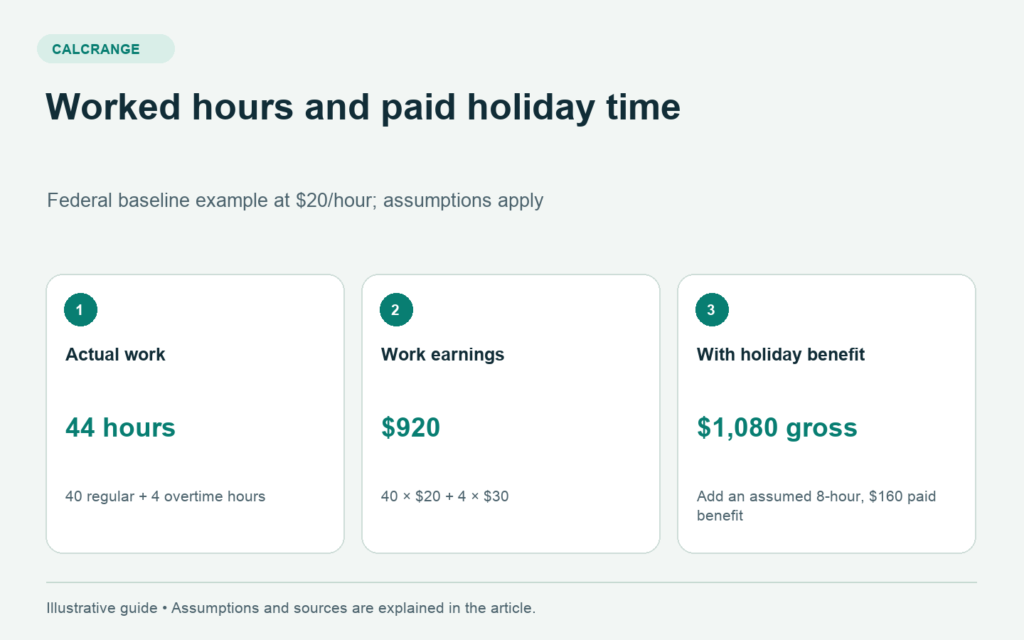
Paid time off for a holiday usually is not hours worked under the federal overtime baseline. Working on a holiday is a different situation.
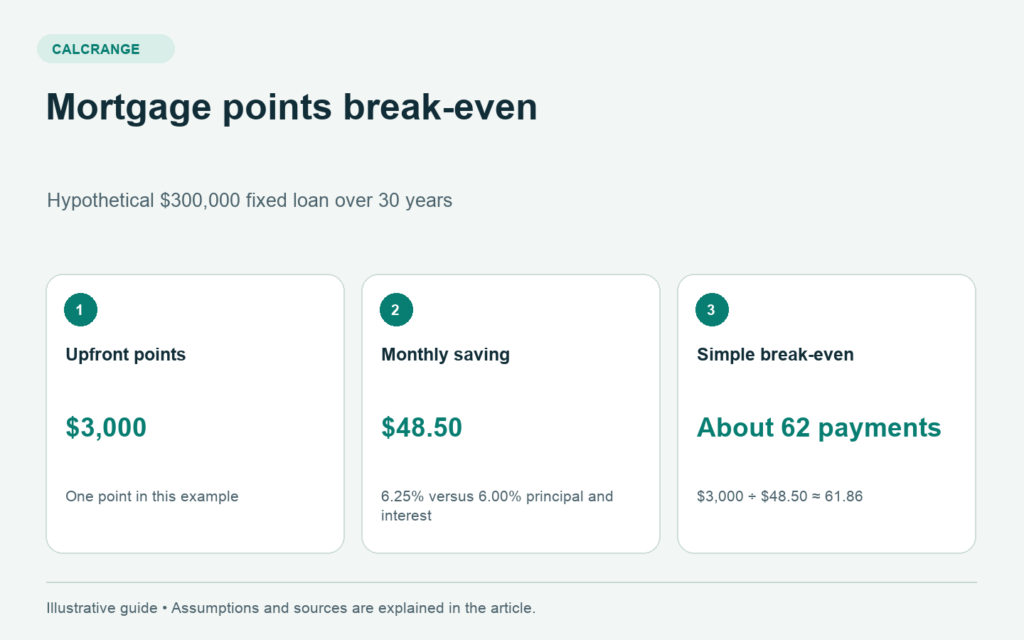
Divide the extra upfront cost by monthly savings for a first break-even estimate, then check how long you expect to keep the mortgage.
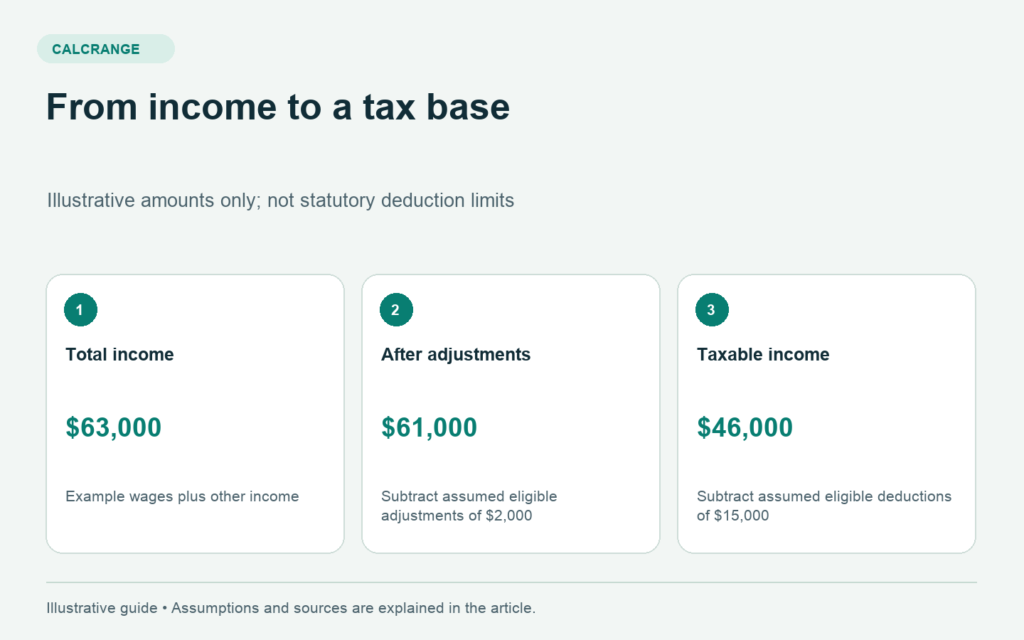
Gross income, adjusted gross income and taxable income describe different stages. A labeled worksheet helps prevent using the wrong number in a tax calculator.
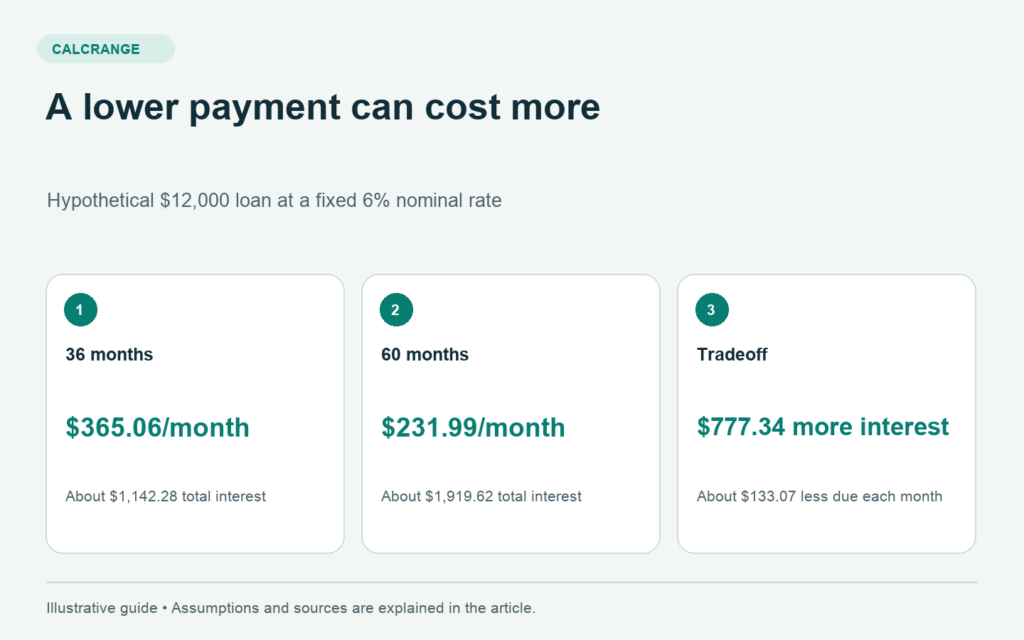
A longer term can lower the monthly payment while increasing total interest. Compare the same principal and rate before choosing between loan quotes.
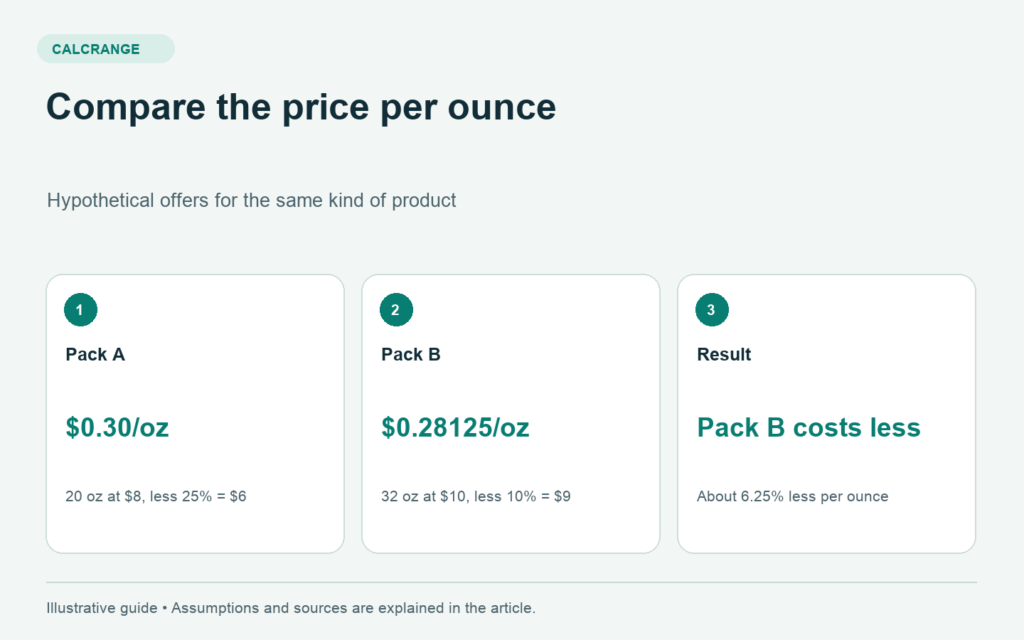
A larger percentage discount does not always mean a lower price per ounce or item. Compare final prices using the same quantity unit.
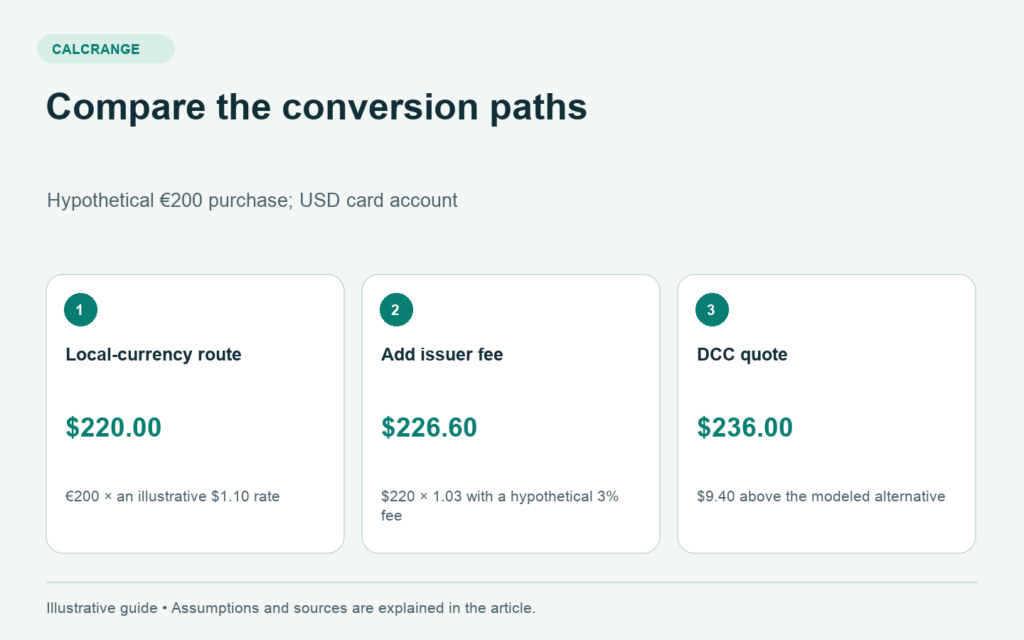
A familiar home-currency total can include an exchange-rate markup. Compare the full cost of both conversion paths before accepting the offer.
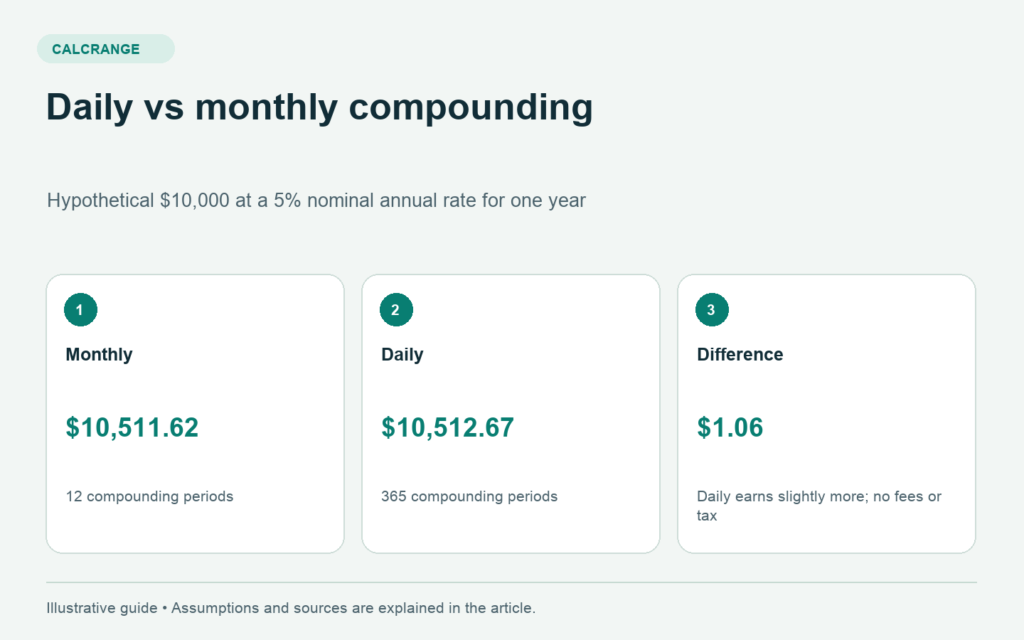
At the same nominal rate, daily compounding earns slightly more. A worked example shows the difference and the account details that can matter more.