Protein Requirement Calculator: Take Healthy Diet -2026

Protein Needs Calculator: Understanding Your Daily Protein Intake

Whether you are an elite athlete aiming for peak performance, a busy professional trying to shed a few extra pounds, or an older adult looking to preserve your vitality, protein is the fundamental building block of your success. However, figuring out exactly how much of this essential macronutrient you need can feel like solving a complex mathematical equation. Our other calculators: BMI, BMR, Water Intake, and many more.

Protein Requirement Calculator

Protein Requirement Calculator

Estimate your daily protein needs based on body weight, age, sex, activity level, fitness goal, pregnancy or breastfeeding status, diet preference, and meal frequency.

g/kg Body Weight Goal Based Meal Split Protein Calories Food Ideas

Enter Your Details

Body and unit settings
kg
cm, used for BMI estimate.
Lifestyle and goal
Used to split protein across meals.
Special condition options
kg
Optional custom range
Medical note: If you have kidney disease, liver disease, pregnancy complications, eating disorder history, diabetes, or any medical condition, ask a qualified doctor or dietitian before following a high-protein diet.

Your Protein Result

Daily protein target Recommended estimated range.
Protein per meal Based on your selected meals/day.
Protein calories Protein has about 4 calories per gram.
g/kg used Calculated from your goal and activity.

Ready to calculate

Enter your body details and goal to estimate your daily protein needs.

Protein Breakdown Chart

Body weight used
BMI estimate
Goal type

Detailed Protein Breakdown

Item Estimated Value Explanation
Click calculate to generate your protein breakdown.

Protein Food Ideas

Food Approx. Protein Best For

Smart Protein Tips

Spread protein across meals

Dividing protein across breakfast, lunch, dinner, and snacks can make the target easier to reach.

Combine with training

Protein supports muscle repair, but resistance training is still needed for muscle growth.

Choose quality sources

Use eggs, dairy, fish, chicken, lean meat, lentils, beans, tofu, soy, and protein-rich whole foods.

Stay balanced

A healthy diet also needs carbohydrates, fats, fiber, vitamins, minerals, and water.

Disclaimer: This calculator is for general education and planning only. It is not medical advice, nutrition diagnosis, or a replacement for a qualified dietitian or healthcare professional.

You might frequently ask yourself: “what is my daily protein requirement?” The truth is, there is no single answer. Your needs depend heavily on your age, gender, activity level, body composition, and specific health goals. This is exactly where a reliable Protein Requirement Calculator becomes an invaluable tool in your nutritional arsenal.

In this comprehensive guide, we will explore the science behind calculating your daily protein needs. We will cover everything from using a bodyweight protein calculator to understanding optimal macronutrient ratios, ensuring you have the exact protein intake guide you need to thrive.

Protein Requirement Calculator

Why You Need a Protein Needs Calculator

Understanding your daily protein intake is not just for bodybuilders; it is crucial for everyone. Protein is responsible for cellular repair, hormone production, immune function, and maintaining lean tissue. When you use a daily protein requirement calculator, you stop guessing and start optimizing.

The Difference Between RDA and Optimal Protein Targets

When searching for an RDA protein calculator, you will often find that the Recommended Dietary Allowance (RDA) for protein is set at 0.8 grams per kilogram of body weight. However, it is vital to understand the difference between RDA and optimal protein targets. The RDA simply represents the minimum protein requirement calculator threshold needed to prevent a deficiency in sedentary individuals.

For optimal health, muscle retention, and metabolic function, your actual needs are likely much higher. If you are active, pregnant, aging, or recovering from an injury, relying purely on a recommended daily allowance protein calculator might leave you drastically under-fueled. An optimal protein intake calculator takes these nuanced lifestyle factors into account.

Symptoms of Protein Deficiency in Adults

If you do not meet your baseline needs, your body will let you know. A protein deficiency calculator or assessment might be necessary if you experience common symptoms of protein deficiency in adults, which include:

  • Muscle wasting and weakness
  • Brittle hair, nails, and dry skin
  • Increased severity and frequency of infections
  • Fatigue and sluggishness
  • Increased hunger and cravings

The Core Formulas: How to Calculate Protein Needs

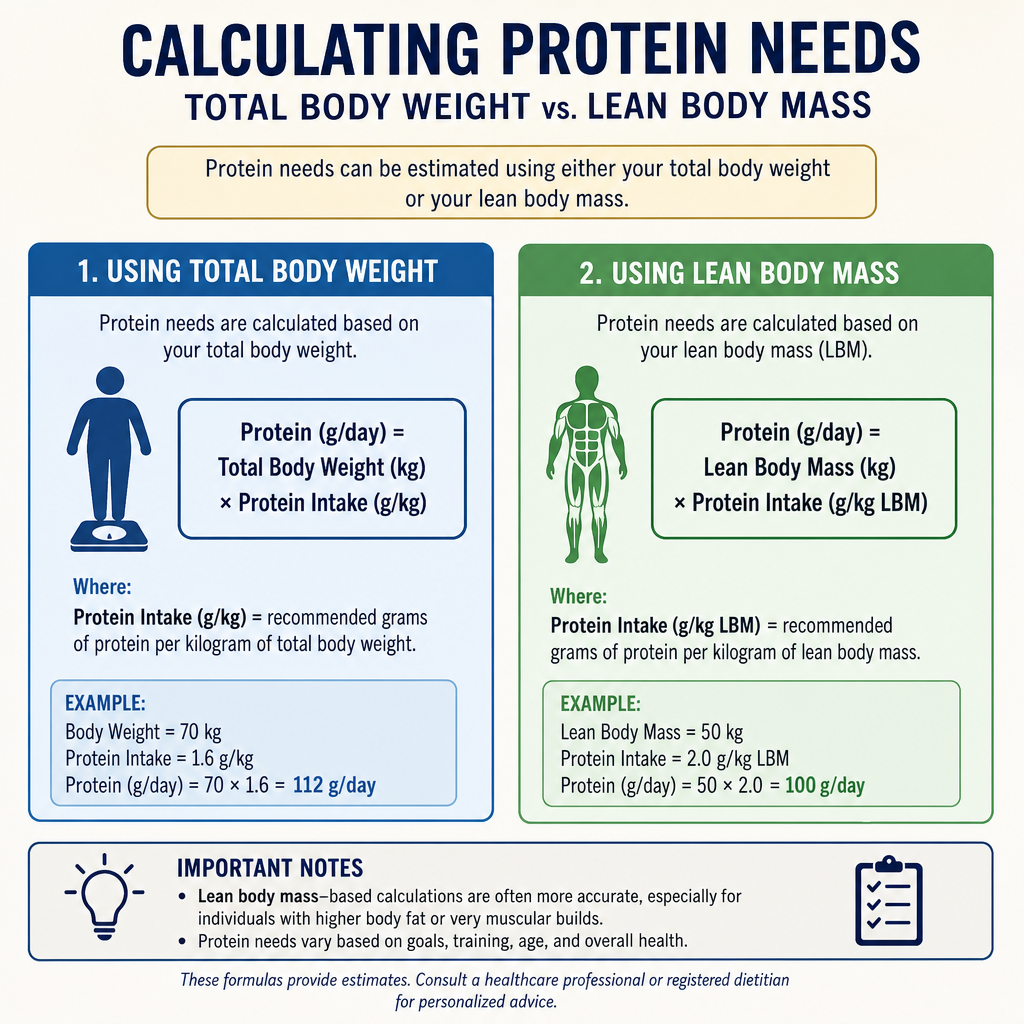
Before you use a fitness protein calculator or macro protein calculator, it helps to understand the math under the hood. There are a few primary ways to determine your numbers.

Protein to Body Weight Ratio

The most common protein requirement formula relies on a simple protein to body weight ratio. Depending on your region, you might use a protein calculator lbs (pounds) or a protein calculator kg (kilograms).

  • How much protein per kg of body weight: The general baseline is 0.8g/kg for sedentary individuals, but optimal targets range from 1.2g to 2.2g per kg depending on activity. Using a protein grams per kg calculator makes this easy.
  • Protein grams per pound calculator: In pounds, the recommendation generally spans from 0.36g/lb (sedentary) up to 1.0g/lb (highly active/muscle building).

A standard protein calculator by body weight gives you a great starting point, whether you prefer a protein calculator by weight in metric or imperial measurements.

Calculating Protein Intake Based on Lean Body Mass

For individuals with a higher body fat percentage, a standard bodyweight protein calculator might overestimate needs. In these cases, calculating protein intake based on lean body mass is a far more accurate approach.

A lean body mass protein calculator (or protein requirement calculator based on lean mass) subtracts your body fat from your total weight. You then base your intake on your lean tissue, usually aiming for about 1.0 to 1.2 grams of protein per pound of lean mass. This ensures your daily protein goal calculator gives you a realistic target rather than an inflated one.

Protein Requirement Calculator

Protein Intake for Muscle Building and Bulking

If your goal is hypertrophy (growing muscle size), protein is non-negotiable. When you lift heavy weights, you create micro-tears in your muscle fibers. The amount of protein require to repair and rebuild these fibers is significantly higher than what a sedentary person needs.

How Much Protein to Gain Muscle?

If you want to know how much protein to gain muscle, a protein requirement calculator for muscle building will typically push your targets toward the higher end of the spectrum. An ideal protein intake calculator for hypertrophy suggests between 1.6 and 2.2 grams per kilogram of body weight (0.7 to 1.0 grams per pound).

Using a gym protein calculator or a dedicated bodybuilding protein requirement calculator helps you pinpoint these numbers. For those in a caloric surplus aiming to add mass, a protein calculator for bulking ensures you are feeding your muscles adequately without displacing necessary carbohydrates and fats.

Whether you are using a protein intake for muscle building calculator, a protein calculator for muscle gain, or trying to find out how much protein to build muscle calculator tools recommend, the consensus is clear: consistency in your daily protein intake for muscle mass is key to your success.

Protein for Weight Loss, Cutting, and Fat Loss

Ironically, you might need even more protein when trying to lose weight than when you are bulking. Why? Because a caloric deficit puts you at risk of losing muscle alongside fat.

Using a Protein Calculator to Lose Weight

A protein requirement calculator for weight loss focuses on muscle preservation. When you are restricting calories, an effective protein intake for weight loss calculator will often recommend upwards of 2.0 to 2.4 grams per kilogram of body weight.

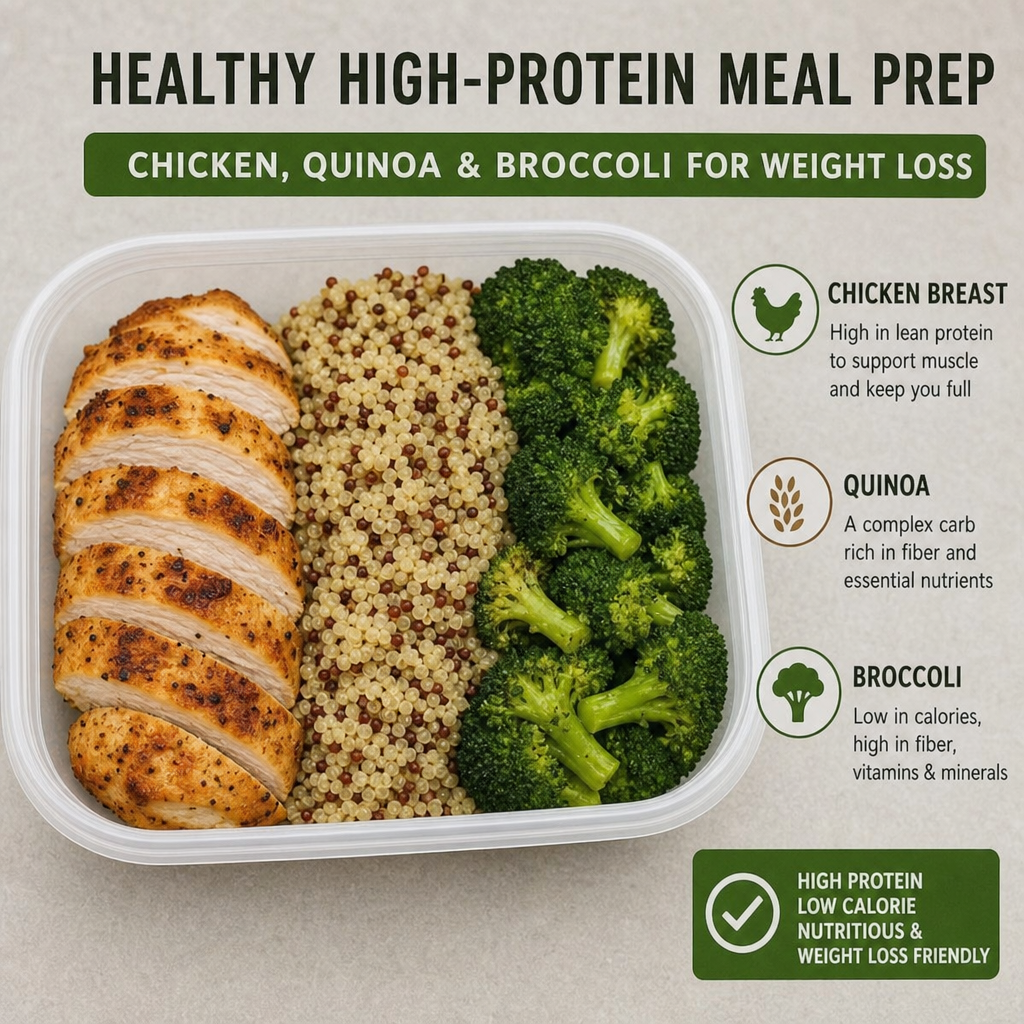
Using a protein calculator for cutting or a protein calculator for fat loss helps you figure out how much protein should I eat to lose weight without sacrificing hard-earned muscle. A higher intake also boosts satiety (keeping you full) and increases the thermic effect of food (burning more calories during digestion).

If you are wondering how many grams of protein per day to lose weight, rely on a protein and calorie calculator. This tool helps you establish the optimal macronutrient ratio for fat loss—which often looks like 30-35% protein, 20-25% fat, and the remainder from carbohydrates. A specialized protein percentage calculator can seamlessly divide these macros for you.

Protein Requirement Calculator

Protein Guidelines by Activity Level and Athletics

Your lifestyle dictates your fuel. A daily protein requirement calculator must adjust for how often you move. The protein needs for sedentary vs active lifestyles vary dramatically.

Protein Requirement by Activity Level

The impact of physical activity level on nitrogen balance is profound. Nitrogen balance is a measure of protein metabolism. If you are burning vast amounts of energy, your body needs extra dietary protein to maintain a positive nitrogen balance—the state where muscle repair and growth occur.

  • Protein Calculator for Athletes: A sports protein calculator will target 1.4g to 2.0g per kg of body weight to support rigorous training and rapid recovery.
  • Protein Calculator for Runners & Endurance: Estimating protein requirements for endurance athletes is slightly different. While they don’t need as much as bodybuilders, a protein calculator for endurance athletes still recommends a solid 1.2g to 1.4g per kg to repair tissue breakdown from long-distance miles.

Whenever you calculate protein needs, ensure you select the correct activity multiplier in your protein intake requirement calculator to avoid under-fueling your workouts.

Demographics: Protein Needs by Age, Gender, and Life Stage

Daily protein needs are highly individual. A recommended dietary allowance for protein by age highlights that as we move through different life stages, our protein requirements shift dramatically. Let’s break down these specific demographics and look at what a daily protein requirement by age actually entails.

Protein Intake for Seniors

As we age, our bodies become less efficient at processing protein—a phenomenon known as anabolic resistance. Managing sarcopenia through dietary protein intake is one of the most critical aspects of geriatric health. Sarcopenia is the age-related loss of muscle mass and strength, which can lead to frailty and falls.

To combat this, a protein intake for seniors calculator (or protein calculator for elderly) will generally recommend an intake closer to 1.2 to 1.5 grams per kilogram of body weight. Utilizing a protein needs for older adults calculator or a targeted protein calculator for seniors guarantees that aging populations maintain their independence, strength, and immune function.

Protein Calculator for Women and Pregnancy

Women have unique physiological changes that dictate their macronutrient needs. A standard protein calculator for women will adjust for lean body mass, but things change rapidly during maternity.

During pregnancy, maternal tissue expands, and fetal development demands immense structural resources. A protein requirement for pregnancy calculator will typically add at least an extra 25 grams of protein to a woman’s baseline intake. Similarly, postpartum recovery and lactation require serious fuel, making a protein calculator for breastfeeding highly beneficial for nursing mothers.

Men and Children

A protein calculator for men typically outputs higher total numbers simply due to generally larger body sizes and naturally higher lean body mass. Meanwhile, a protein calculator for kids focuses on the high-velocity growth phases of childhood and adolescence, ensuring children get the building blocks needed for bone, muscle, and brain development without unnecessarily overfeeding them.

Protein Requirement Calculator

Dietary Preferences: Vegans, Vegetarians, and Keto

No matter your dietary tribe, you can hit your daily protein goal—you just need the right strategy.

Plant-Based Protein Calculators

For those following a meat-free lifestyle, using a protein calculator for vegans or a protein calculator for vegetarians is incredibly helpful. Plant proteins are often less bioavailable than animal proteins, meaning your body doesn’t absorb them quite as efficiently. To compensate, a plant-based daily protein calculator might suggest a 10% to 20% increase in total intake.

To meet these targets, you must be aware of the best plant-based protein sources for daily requirements. These include:

  • Lentils, chickpeas, and black beans
  • Tofu, tempeh, and edamame
  • Seitan
  • Quinoa and buckwheat
  • Hemp seeds, chia seeds, and almonds

Keto and High Protein Diets

If you follow a ketogenic lifestyle, a protein calculator for keto is essential to ensure you aren’t eating too much protein, which can theoretically kick you out of ketosis via gluconeogenesis, while still eating enough to maintain muscle.

On the other hand, if you are simply following a general high-protein lifestyle for satiation and metabolic health, a protein calculator high protein diet tool can help you balance the rest of your meals. While exploring the high protein diet benefits and risks, research consistently shows that high protein is safe for healthy individuals, promoting better body composition and blood sugar regulation.

Special Health Considerations

Certain medical conditions require strict dietary management, meaning a generic protein intake calculator won’t suffice.

Diabetes and Blood Sugar

Protein stabilizes blood sugar by slowing down the absorption of carbohydrates. A protein requirement for diabetics calculator helps individuals with diabetes figure out the perfect macronutrient balance to prevent dangerous spikes and crashes in blood glucose.

Kidney Function

The most notable exception to a high-protein approach involves renal health. For those with chronic kidney disease, the kidneys struggle to filter out the waste products of protein metabolism. A protein requirement for kidney patients calculator is a specialized medical tool that usually restricts protein intake to 0.6g – 0.8g per kg to reduce renal load. Always consult a nephrologist when calculating a maximum protein intake calculator threshold for kidney disease.

Timing, Distribution, and Supplementation

Once you know exactly how many grams of protein per day you need, the next logical question is: when and how should you consume it?

Protein Distribution and Absorption

Your body does not store protein for later use the way it stores fat or carbohydrates. Therefore, spreading your protein evenly throughout the day is critical. A protein distribution calculator or protein per meal calculator can divide your daily total into manageable chunks.

There has been much debate regarding protein absorption limits per meal. While the body can digest large amounts of protein in one sitting, the muscle protein synthesis (MPS) threshold generally caps around 25 to 40 grams of high-quality protein per meal. Spacing out your intake ensures continuous muscle repair.

Supplements: Shakes and Whey

Whole foods should always form the foundation of your diet, but sometimes hitting your target is difficult. Understanding the difference between whey protein vs whole food protein sources helps you supplement smartly. Whole foods provide essential vitamins and minerals, while whey protein provides a rapid, highly bioavailable spike of amino acids, particularly leucine.

If you struggle to hit your numbers, a protein powder calculator or protein shake calculator can help you factor liquid nutrition into your day. Knowing exactly what your post workout protein calculator recommends ensures you maximize your recovery window. A simple whey protein dosage calculator usually suggests 20-30 grams of whey immediately or shortly after training, answering the age-old question of how much protein after workout calculator tools recommend.

A fitness enthusiast mixing a post-workout whey protein shake at the gym in English

How to Use a Macro Protein Calculator Effectively

To get the most accurate results out of any body protein requirement calculator, follow these steps:

  1. Determine your primary goal: Are you looking for a protein calculator for weight maintenance, fat loss, or muscle gain? Your goal dictates your multiplier.
  2. Know your accurate weight and body fat: If you are overweight, use a lean body mass protein calculator to avoid exaggerated targets.
  3. Assess your activity honestly: Don’t use a professional sports protein calculator if you only do light jogging twice a week. Pick an honest activity multiplier.
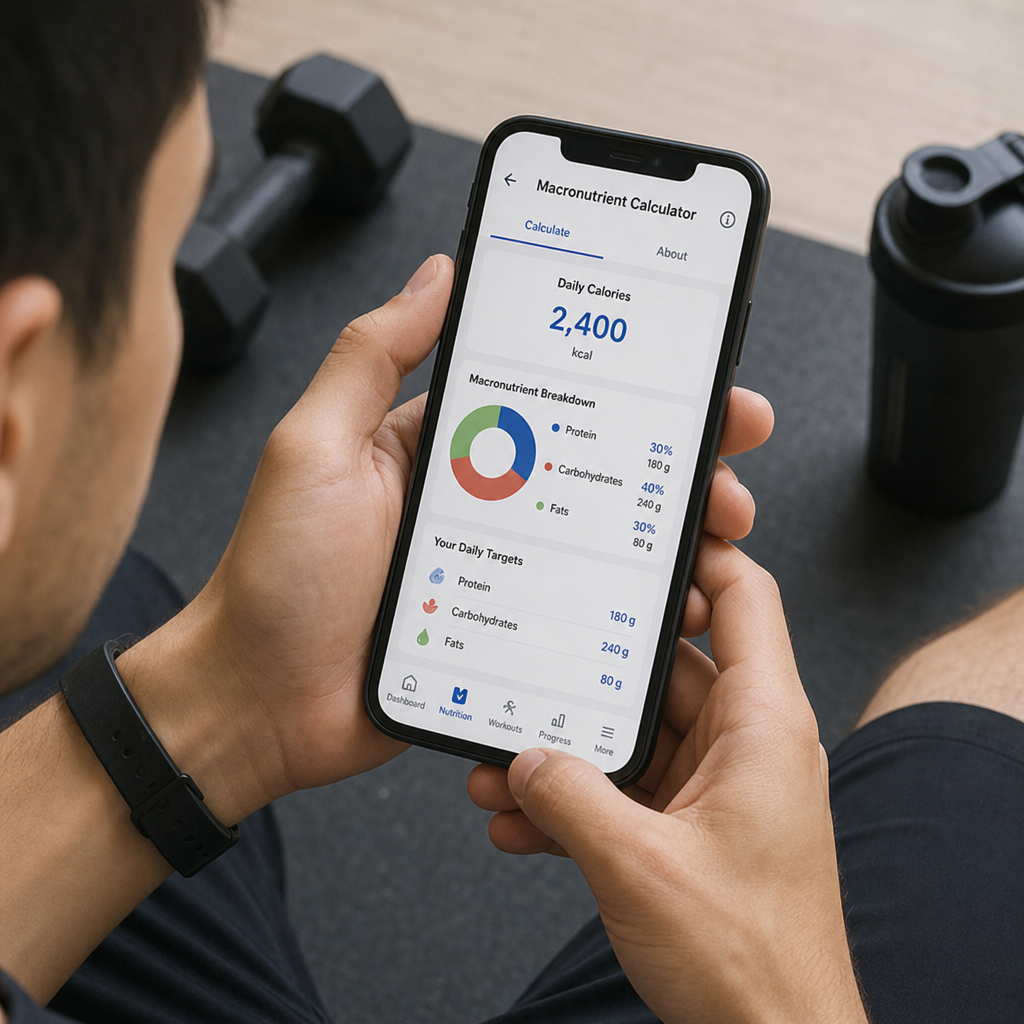
  4. Track your intake: Use an app alongside your recommended protein intake calculator to ensure you are actually hitting the numbers you’ve calculated.
  5. Adjust as you go: Your optimal protein intake calculator results are a starting point. If you are constantly hungry, losing muscle, or feeling fatigued, adjust your intake up or down accordingly.

By answering the question “how much protein do I need calculator,” you empower yourself with data. You no longer have to rely on guesswork.

Conclusion

Understanding your specific dietary needs is the first and most critical step toward achieving your health, physique, and longevity goals. Whether you are searching for an ideal protein intake calculator, a daily protein requirement calculator, or a targeted protein target calculator for your sport, the fundamental truth remains: protein is essential.

By using a Protein Requirement Calculator, you take the guesswork out of nutrition. You finally have a personalized answer to “what is my daily protein requirement.” From a protein calculator for building muscle to a daily protein calculator tailored to weight loss, the right math leads to the right results.

Start tracking your daily protein today. Input your stats into a reliable calculate protein needs tool, optimize your macros, and give your body the exact fuel it needs to perform, recover, and thrive for years to come.

Protein Requirement Calculator FAQs

Frequently Asked Questions

1. What is a Protein Requirement Calculator?

A Protein Requirement Calculator is an online tool that estimates how much protein you may need per day based on body weight, age, activity level, fitness goal, diet preference, and special conditions.

2. How does the Protein Requirement Calculator work?

The calculator multiplies your body weight by a protein range in grams per kilogram. The range changes based on your activity level, goal, age, and selected condition.

3. How much protein do I need per day?

Your daily protein requirement depends on your body weight, activity, health status, and goal. Many adults use a basic minimum around 0.8 grams per kilogram of body weight, while active people often need more.

4. How much protein do I need to build muscle?

People trying to build muscle often need a higher protein intake than sedentary adults. Protein works best when combined with progressive resistance training, enough calories, sleep, and recovery.

5. How much protein do I need for fat loss?

During fat loss, higher protein intake may help support fullness and preserve lean muscle, especially when combined with strength training and a controlled calorie deficit.

6. Should protein be calculated by body weight?

Yes, protein is commonly estimated using grams per kilogram of body weight. Some people may prefer target body weight if they have a high amount of body fat or a specific goal weight.

7. What does g/kg mean?

g/kg means grams of protein per kilogram of body weight. For example, 1.6 g/kg for a 70 kg person equals about 112 grams of protein per day.

8. How much protein should athletes eat?

Athletes and highly active people usually need more protein than sedentary adults because training increases muscle repair and recovery needs. The exact amount depends on sport type, intensity, body weight, and goal.

9. Do older adults need more protein?

Older adults may benefit from consistent protein intake to support muscle maintenance, strength, and healthy aging, especially when paired with resistance exercise.

10. How much protein should I eat per meal?

The calculator divides your daily target by your selected number of meals. Many people find it easier to meet protein goals by spreading protein across breakfast, lunch, dinner, and snacks.

11. Is too much protein bad?

Very high protein intake may not be suitable for everyone. People with kidney disease, liver disease, or medical conditions should not follow a high-protein diet without professional advice.

12. Can I meet protein needs on a vegan diet?

Yes, a vegan diet can meet protein needs with foods such as tofu, tempeh, lentils, beans, chickpeas, soy milk, edamame, nuts, seeds, and plant-based protein powders if needed.

13. What are good protein foods?

Good protein foods include eggs, fish, chicken, lean meat, dairy, Greek yogurt, lentils, beans, chickpeas, tofu, tempeh, paneer, soy products, nuts, seeds, and protein powders.

14. Does protein help with weight loss?

Protein can support weight loss by helping with fullness and muscle maintenance, but fat loss still depends mainly on overall calorie balance, activity, and diet quality.

15. Does protein powder count?

Yes, protein powder can count toward daily protein intake. It is a convenience option, but whole foods should still make up most of a balanced diet.

16. Is whey protein necessary?

No, whey protein is not necessary if you can meet your protein target with regular food. It can be useful for convenience or when daily protein intake is difficult to reach.

17. How much protein do pregnant women need?

Protein needs often increase during pregnancy, but exact needs depend on trimester, body weight, health status, and medical advice. Pregnant women should follow guidance from their healthcare provider.

18. How much protein do breastfeeding mothers need?

Breastfeeding can increase protein needs because the body supports milk production. Breastfeeding mothers should follow medical or dietitian guidance for personal needs.

19. Should I eat protein before or after workout?

Protein can be eaten before or after workouts. Total daily protein and consistency matter more than exact timing for most people.

20. Is this Protein Requirement Calculator accurate?

The calculator gives an estimate based on common protein ranges and your inputs. Actual needs can vary based on health, training, body composition, digestion, and medical conditions.

Disclaimer: These FAQs are for general educational purposes only. Protein needs vary based on health status, kidney function, liver function, pregnancy, breastfeeding, training, body composition, and medical conditions. Always consult a qualified doctor or dietitian for personal medical or nutrition advice.
Scroll to Top