
WHR: Waist to Hip Ratio
When we talk about health, fitness, and body composition, the conversation almost always starts with the bathroom scale. However, relying solely on your overall weight provides an incomplete picture of your physiological well-being. This is where WHR: Waist to Hip Ratio steps in as one of the most critical health metrics you can track.Check out other calculators: BMR, BMI, Water Intake daily, and others.
WHR Calculator
Calculate your Waist-to-Hip Ratio, waist-to-height ratio, BMI, waist circumference risk, body-shape pattern, target waist, and a visual health-screening guide.
Enter Your Measurements
Your WHR Result
Ready to calculate
Enter your waist and hip measurements to see WHR, target waist, and screening guidance.
WHR Visual Gauge
Measurement Comparison
Detailed WHR Breakdown
| Item | Value | Meaning |
|---|---|---|
| Click calculate to generate your WHR breakdown. | ||
Smart Measurement Tips
Use the same tape, same body position, and same time of day for better tracking.
One measurement can be imperfect. Weekly or monthly trends are more useful.
Combine WHR with waist size, BMI, activity, blood pressure, glucose, and cholesterol.
Better sleep, diet quality, movement, and strength training can improve body composition.
Understanding your WHR is about far more than aesthetics; it is a fundamental health assessment that offers deep insights into your risk for chronic conditions. Whether you are beginning a fitness journey, monitoring a medical condition, or simply aiming for a healthier lifestyle, learning how to measure and interpret this ratio is essential.
In this comprehensive guide, we will explore the waist to hip ratio WHR definition, explain what is WHR, provide a step-by-step tutorial on how to calculate waist to hip ratio, and dive deep into what these numbers mean for your long-term health.
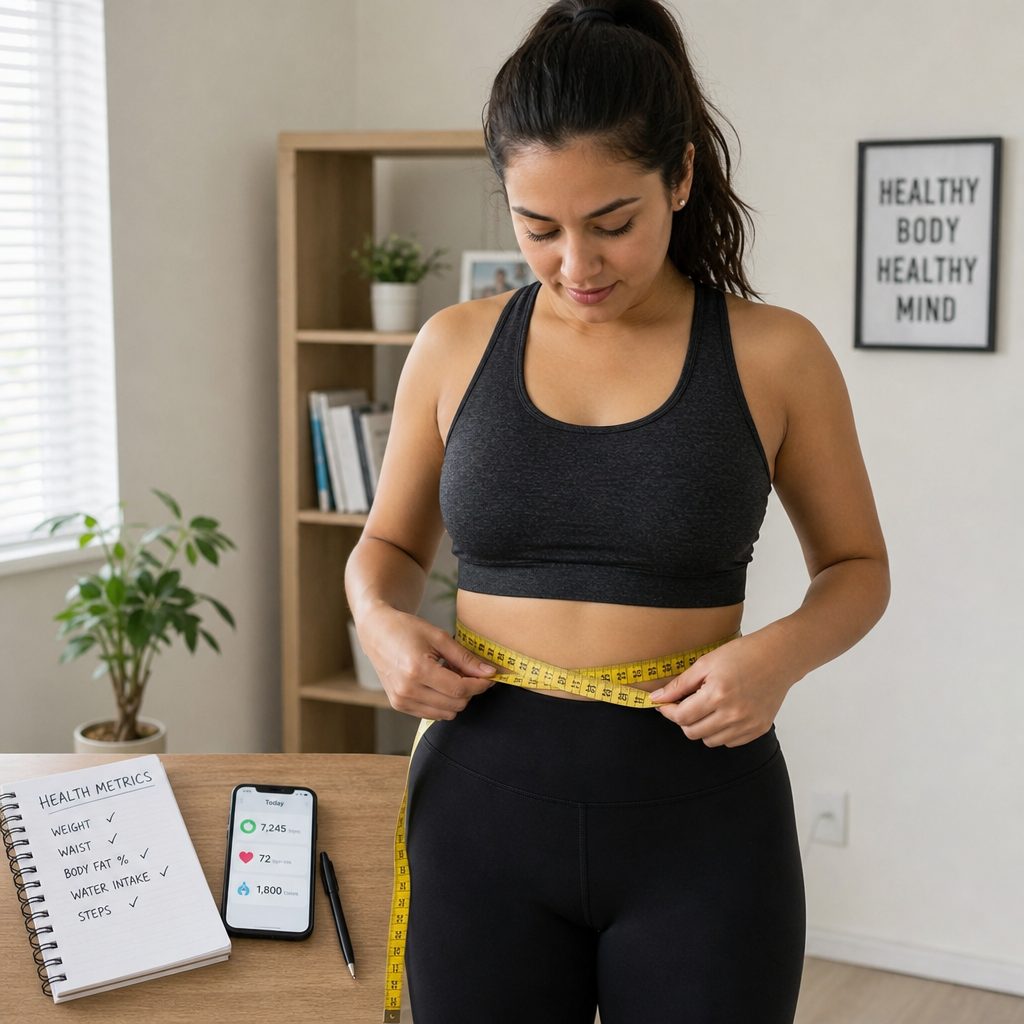
What is WHR? Understanding the Basics
So, what is WHR exactly? The WHR Waist to Hip Ratio is a simple mathematical calculation that compares the circumference of your waist to the circumference of your hips. Essentially, it determines how much fat is stored around your midsection (waist) compared to your lower body (hips and buttocks).
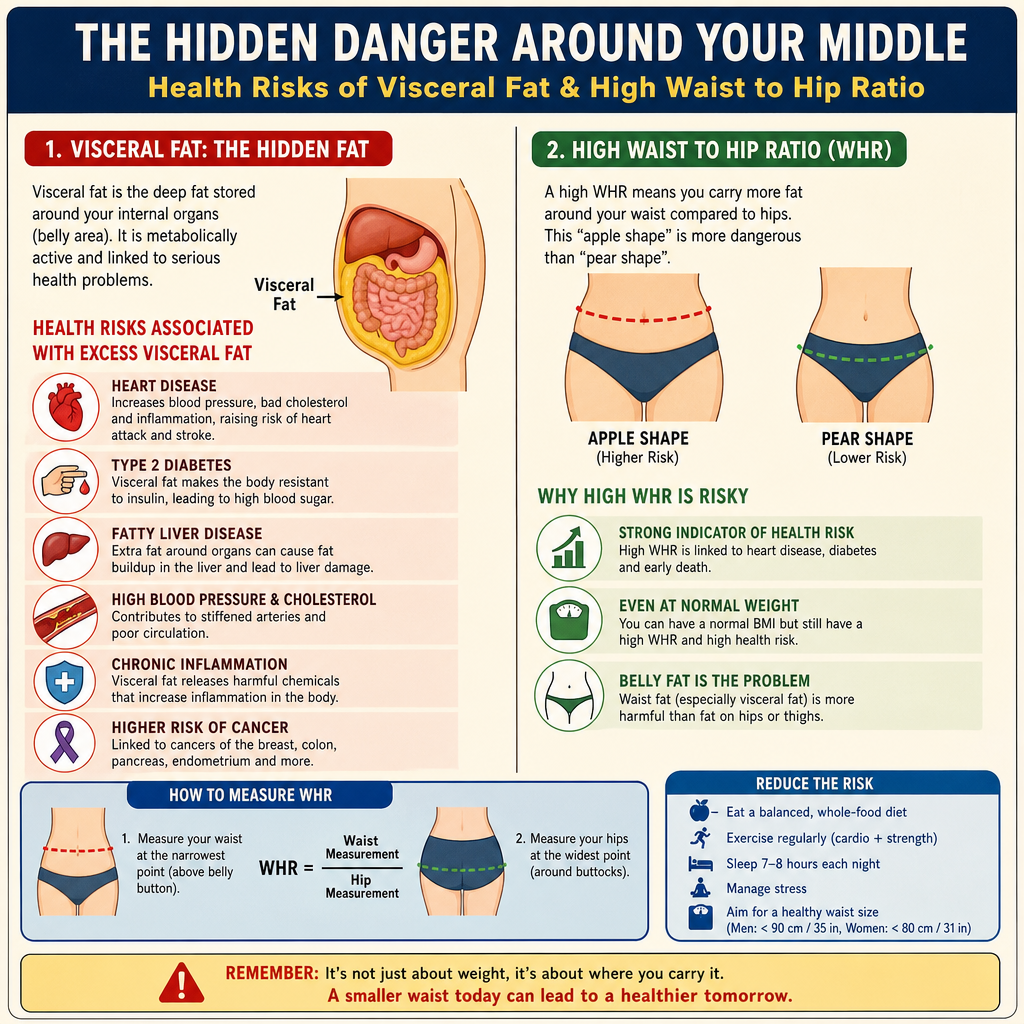
From a clinical perspective, the waist to hip ratio WHR provides an estimate of visceral fat—the dangerous, active fat that wraps around your internal organs. Unlike subcutaneous fat (the soft fat you can pinch just under your skin), visceral fat produces inflammatory markers that significantly increase your risk of metabolic and cardiovascular diseases.
Difference Between BMI and Waist-to-Hip Measurements
For decades, the Body Mass Index (BMI) has been the gold standard for public health screening. However, comparing waist to hip ratio vs BMI reveals a glaring flaw in the latter: BMI only accounts for your total weight relative to your height. It cannot distinguish between muscle mass, bone density, subcutaneous fat, and visceral fat.
Herein lies the critical difference between BMI and waist-to-hip measurements: WHR measures fat distribution, whereas BMI measures total mass. This is why a bodybuilder might be classified as “obese” under BMI but perfectly healthy under WHR, while someone with a “normal” BMI might have dangerous levels of abdominal fat (a condition known as “normal weight obesity” or “skinny fat”).
Because of this, many modern medical professionals prefer using a body fat distribution calculator or a central obesity calculator to evaluate real-world health risks.
How to Measure Waist and Hip Circumference Accurately
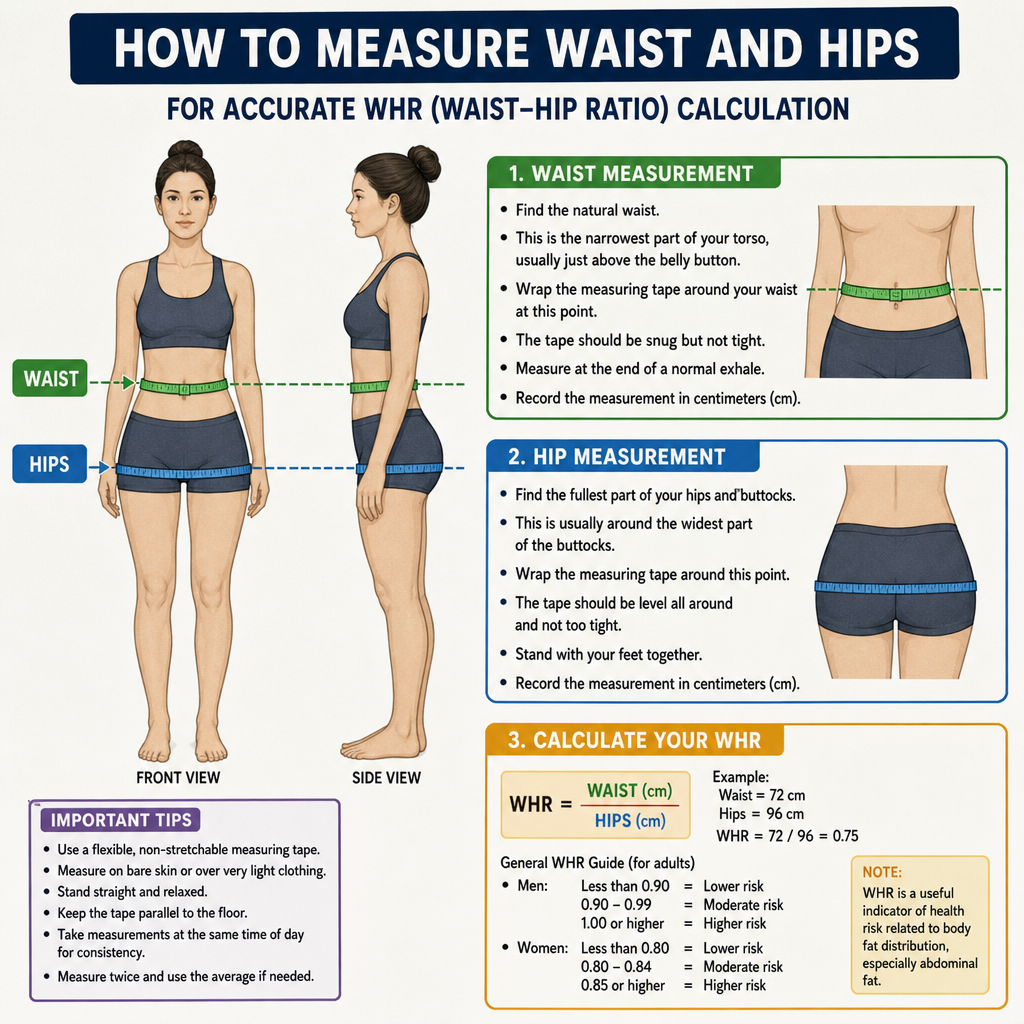
To determine your baseline, you need to know how to measure waist and hip circumference accurately. A slight misplacement of the tape can skew your results, making it crucial to learn the correct WHR measurement techniques.
Where to Measure Waist for WHR
- Stand up straight with your feet shoulder-width apart.
- Ensure you are breathing normally. Do not suck in your stomach.
- Locate the narrowest part of your torso, which is usually right above your belly button and below your rib cage. This is your natural waistline.
- Wrap a flexible measuring tape around this point. Ensure the tape is parallel to the floor and sits snugly against your skin without compressing it. Record your waist measurement.
Where to Place Measuring Tape for Hip Circumference
- Remain standing in the same posture.
- Find the widest portion of your buttocks and hips.
- Wrap the tape measure around this area, again ensuring it remains completely parallel to the floor. Record your hip measurement.
The Waist to Hip Ratio Formula
Once you have both numbers, the waist to hip ratio formula is incredibly straightforward:
WHR = Waist Circumference ÷ Hip Circumference
For example, if your waist is 30 inches and your hips are 40 inches: 30 ÷ 40 = 0.75. Your WHR is 0.75.
If you don’t want to do the math manually, you can easily use an online waist to hip ratio calculator or a free waist to hip ratio calculator. These tools allow you to input your data and instantly provide your ratio. Whether you prefer a waist to hip ratio calculator inches or a waist to hip ratio calculator cm, the resulting ratio will be exactly the same, as long as you use the same unit of measurement for both areas.
Decoding the Numbers: What Does My Waist to Hip Ratio Mean?
Once you have performed the waist hip ratio test, the next logical question is: what does my waist to hip ratio mean?
Ultimately, determining whether you have a healthy waist to hip ratio depends on your gender. Due to biological and physiological differences, men and women store fat differently. Let’s look at the established waist to hip ratio risk categories.
WHO Waist to Hip Ratio Guidelines
The World Health Organization (WHO) provides clear thresholds for diagnosing abdominal obesity and associated metabolic complications. According to the WHO, abdominal obesity is defined as a waist-to-hip ratio above 0.90 for males and above 0.85 for females.
Furthermore, the CDC and waist to hip ratio WHR guidelines, as well as the waist to hip ratio WHR ACSM (American College of Sports Medicine) standards, largely mirror these risk categories.
Waist to Hip Ratio for Men Chart
- Excellent/Low Risk: 0.85 or less
- Good/Moderate Risk: 0.86 to 0.89
- High Risk (Abdominal Obesity): 0.90 or higher
Waist to Hip Ratio for Women Chart
- Excellent/Low Risk: 0.75 or less
- Good/Moderate Risk: 0.76 to 0.80
- High Risk (Abdominal Obesity): 0.85 or higher
Specific Ratios and Their Implications
Let’s break down a few common ratios to understand where they fall on a waist to hip ratio chart:
- Waist to hip ratio 0.7: Often cited as the ideal waist to hip ratio female, a 0.7 WHR is strongly associated with optimal cardiovascular health, high estrogen levels, and low risks of metabolic syndrome in women.
- Waist to hip ratio 0.8: For a woman, a 0.8 ratio falls into the moderate risk category, meaning it is generally a normal waist to hip ratio, but caution should be taken to prevent it from rising. For a man, a 0.8 is an excellent, low-risk score.
- Waist to hip ratio 0.9: This is considered the ideal waist to hip ratio male, indicating a healthy fat distribution. However, for a woman, a 0.9 WHR places her solidly in the high-risk category for central obesity.
To make things easier, you can utilize a waist to hip ratio calculator female or a waist to hip ratio calculator male to automatically cross-reference your results with standard health guidelines.
Health Implications: What Does a High Waist to Hip Ratio Mean?
If your calculation places you in the high-risk category, you might be wondering, what does a high waist to hip ratio mean for my body?
A high WHR is a direct warning sign of waist to hip ratio obesity, specifically central or abdominal obesity. Unlike excess fat stored in the hips and thighs (which is relatively benign), abdominal visceral fat is biologically active. It behaves almost like an endocrine organ, secreting inflammatory cytokines and hormones that disrupt your body’s normal functions.
Waist to Hip Ratio Cardiovascular Risk
The impact of abdominal obesity on heart health cannot be overstated. A high WHR is intimately linked to a high waist to hip ratio cardiovascular risk. Visceral fat is situated close to the portal vein, which carries blood to the liver. Fatty acids and inflammatory proteins from visceral fat easily dump into the liver, leading to higher LDL (bad) cholesterol, lower HDL (good) cholesterol, and insulin resistance. The connection between waist to hip ratio and heart disease is so strong that cardiologists often prioritize reducing midsection fat over total weight loss.
Predicting Metabolic Syndrome with Body Measurements
Metabolic syndrome is a cluster of conditions—increased blood pressure, high blood sugar, excess body fat around the waist, and abnormal cholesterol levels—that occur together, increasing your risk of heart disease, stroke, and type 2 diabetes. Using an abdominal obesity calculator or a visceral fat indicator calculator via WHR is one of the fastest, non-invasive methods for predicting metabolic syndrome with body measurements.
The link between body fat distribution and chronic disease risk highlights why tracking your waist hip ratio measurement is one of the most vital fitness indicators available.
Body Shape and Proportions: Apple vs. Pear
The waist to hip ratio body shape connection is a popular way to visualize health risks. Generally, human fat distribution falls into two primary categories, often evaluated using a body shape calculator, body type calculator, or a female body shape calculator.
Waist to Hip Ratio Apple Shape
An “apple” shape occurs when a person carries most of their excess body weight around their abdomen, resulting in a higher WHR. This shape is far more common in men, but women can also develop an apple shape, particularly after menopause. An waist to hip ratio apple shape is highly correlated with the cardiovascular and metabolic risks discussed above.
Waist to Hip Ratio Pear Shape
A “pear” shape is characterized by a narrower waist and wider hips and thighs, resulting in a lower WHR. This fat distribution is much more common in women due to reproductive hormones. Subcutaneous fat in the gluteofemoral region (hips and thighs) does not carry the same inflammatory properties as visceral fat. Therefore, a waist to hip ratio pear shape is generally protective against metabolic diseases.
Apple vs Pear Body Shape Health Implications
Understanding the apple vs pear body shape health implications helps clarify why body proportion matters. You can be overweight with a pear shape and have fewer metabolic risks than a normal-weight person with an apple shape. If you want to visualize this, using a waist to hip ratio calculator with body shape features or a measure body shape calculator can help you determine your exact body classification.
For those aiming for a specific aesthetic, an hourglass figure calculator or a body proportion calculator can also utilize these measurements to define physical proportions, though the primary focus should always remain on health.
Evolutionary Biology: WHR, Attractiveness, and Reproduction
Beyond clinical health, WHR has a fascinating history in evolutionary biology and psychology.
Waist to Hip Ratio Attractiveness and the Golden Ratio
Cross-cultural studies have consistently shown that humans exhibit strong preferences for specific waist-to-hip ratios. The concept of the golden ratio waist to hip (around 0.7 for women and 0.9 for men) is heavily studied in the context of waist to hip ratio attractiveness. Evolutionary psychologists propose that these preferences are hardwired into our brains because these specific ratios historically signaled youth, health, and a lack of pregnancy.
Waist to Hip Ratio Fertility and Reproduction
There is scientific validity to these evolutionary preferences. The link between waist to hip ratio WHR and reproduction is well-documented. For females, an ideal waist to hip ratio female of approximately 0.7 to 0.8 is associated with optimal levels of fertility hormones. A lower waist to hip ratio fertility correlation indicates fewer instances of polycystic ovary syndrome (PCOS), more regular menstrual cycles, and higher success rates in both natural conception and IVF.
For men, an ideal waist to hip ratio male of around 0.9 correlates with healthy testosterone levels and a lower risk of erectile dysfunction, directly linking whr meaning health to reproductive vitality.
Life Stages: How Age, Hormones, and Demographics Affect WHR
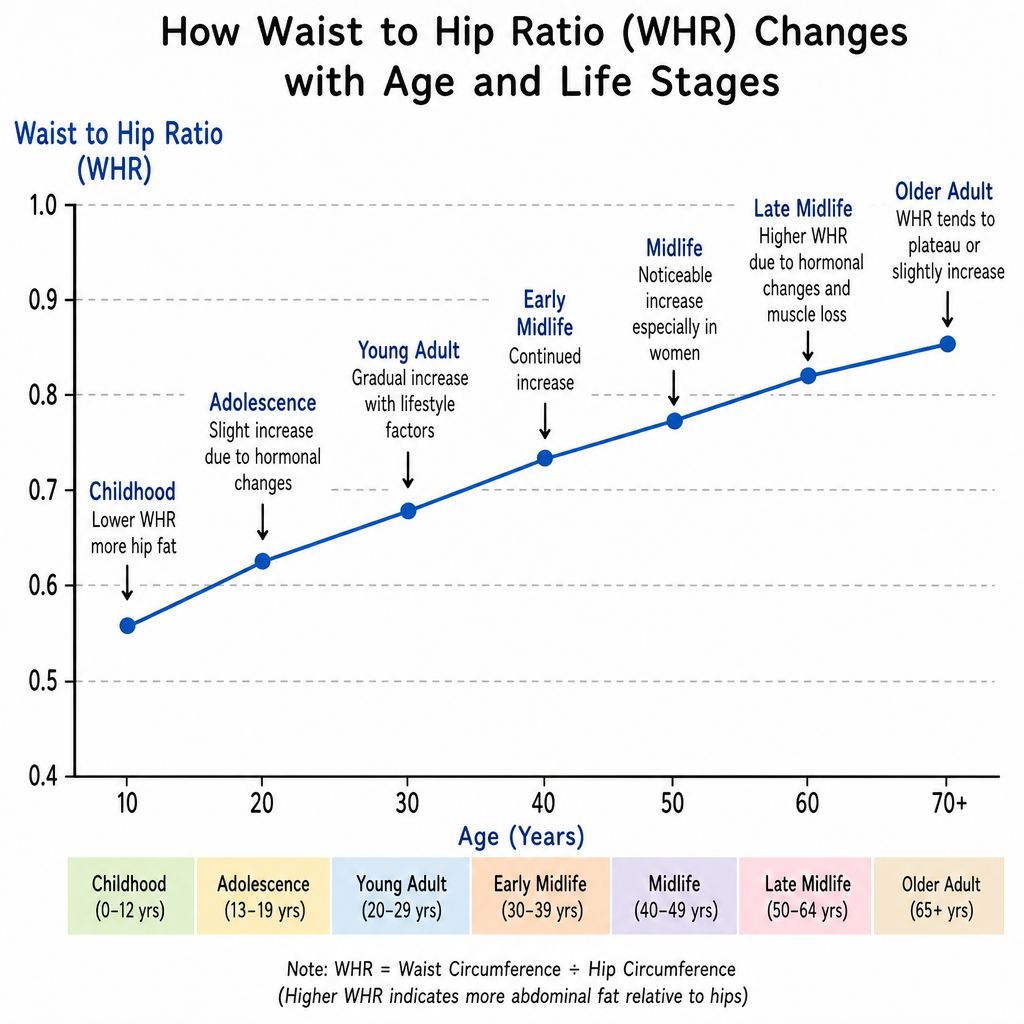
Your body composition is not static; it changes as you age and go through different life phases. Therefore, evaluating your waist to hip ratio by age is important.
Optimal Waist Circumference for Adults by Age
As we age, we naturally lose muscle mass and tend to accumulate more fat, particularly around the midsection. A waist to hip ratio chart by age usually reflects a slight upward shift in acceptable parameters for older adults. Using an ideal waist size calculator or a waist circumference calculator tailored to age groups can provide more realistic targets.
Waist to Hip Ratio Menopause
One of the most dramatic shifts in a woman’s body composition occurs during menopause. The hormonal factors affecting fat storage in hips change drastically as estrogen levels plummet. Estrogen is responsible for directing fat storage to the hips and thighs (the pear shape). Without it, post-menopausal women frequently see a shift towards central adiposity (the apple shape). Monitoring waist to hip ratio menopause changes is critical, as this is the period when cardiovascular risk in women begins to equal that of men.
Waist to Hip Ratio After Pregnancy
Pregnancy stretches the abdominal wall and alters fat distribution. It is entirely normal for the waist to hip ratio after pregnancy to be elevated for several months or even years. Gentle core rehabilitation and gradual fat loss are necessary to restore a normal waist to hip ratio over time.
Waist to Hip Ratio for Athletes
Athletes often have unique body compositions. Comparing waist to hip ratio vs body fat percentage is important here. A female bodybuilder might have a very low body fat percentage but a higher WHR (e.g., 0.82) simply because she has highly developed abdominal muscles and minimal fat on her hips. For this reason, the waist to hip ratio for athletes should be viewed in conjunction with overall body fat percentage and performance metrics.
Beyond WHR: Other Body Measurement Calculators
While WHR is fantastic, it is part of a larger family of health metrics and body measurement calculator tools that provide a complete picture of your physiology.
Waist to Height Ratio
The waist to height ratio (WHtR) is another incredibly powerful tool. By comparing your waist circumference to your height, it offers an excellent measure of cardiovascular risk. The general rule of thumb is that your waist should be less than half of your height.
You can use a waist to height ratio calculator or consult a waist to height ratio chart to find your exact risk profile. Evaluating the waist-to-height ratio for cardiovascular health is highly recommended alongside WHR, and you can easily find an ideal waist to height ratio or a waist size for height calculator online.
Healthy Waist Circumference
Sometimes, simply knowing your absolute waist size is enough. Guidelines suggest a healthy waist circumference is under 35 inches for non-pregnant women and under 40 inches for men.
Advanced Indexes
For those who love data, tools like a body shape index calculator (also known as an absi calculator) and the conicity index calculator are available. The body shape index for mortality risk assessment takes into account your WHR, BMI, and height to provide a highly refined estimate of premature mortality risk.
Action Plan: How to Improve Waist to Hip Ratio
If your waist hip ratio calculator results show that you are in a higher risk category, don’t panic. The good news about visceral fat is that it is highly metabolically active, which means it responds very well to lifestyle interventions. Here is how to improve waist to hip ratio.
Reducing Visceral Fat Through Diet and Exercise
You cannot spot-reduce fat, meaning endless crunches will not dramatically lower your waist circumference if your diet is poor. To reduce waist to hip ratio, you must focus on reducing visceral fat through diet and exercise globally.
Dietary Interventions:
- Cut Refined Sugars and Liquid Calories: Fructose is heavily implicated in visceral fat storage. Eliminate sodas, juices, and sweetened coffees.
- Increase Soluble Fiber: Foods like oats, flaxseeds, avocados, and legumes help slow down digestion and reduce insulin spikes, making it an excellent way how to lower waist to hip ratio.
- Embrace Lean Proteins and Healthy Fats: A diet high in protein helps preserve muscle mass while burning fat, contributing to a healthy body proportion chart for men and women.
Exercise Modalities:
- High-Intensity Interval Training (HIIT): Studies show that HIIT is significantly more effective at burning visceral fat than steady-state cardio.
- Resistance Training: Building muscle improves your overall basal metabolic rate, aiding in long-term fat loss and improving your waist to hip ratio vs body fat numbers.
Sleep and Stress Management
Cortisol, the stress hormone, explicitly commands the body to store fat around the abdomen. Chronic stress and poor sleep are massive contributors to a high WHR. Prioritizing 7-9 hours of sleep and utilizing stress-reduction techniques like yoga or meditation are vital components of a healthy waist to hip ratio.
Measuring Progress Beyond the Bathroom Scale
One of the greatest benefits of tracking your waist hip ratio is measuring progress beyond the bathroom scale. When you begin a diet and exercise program, you might build muscle while losing fat. The scale might not move, leading to frustration. However, if your waist to hip ratio calculator cm (or inches) shows that your waist is shrinking, you are successfully losing visceral fat and drastically improving your health.
Make it a habit to use an online waist to hip ratio calculator once every four weeks. Taking a waist hip ratio test monthly ensures you are tracking actual physiological improvements rather than just water weight fluctuations.

Conclusion: Making Your Health Assessment Count
When you ask, “is my waist to hip ratio healthy?“, you are asking one of the most profound questions regarding your long-term vitality. The scale tells you your relationship with gravity, but your WHR Waist to Hip Ratio tells you the story of your internal health.
By understanding what is a good waist to hip ratio, regularly utilizing a free waist to hip ratio calculator, and taking actionable steps to combat central obesity, you empower yourself to live a longer, healthier, and more active life.
Stop obsessing solely over your total weight. Grab a measuring tape, calculate your baseline today, and start tracking the fitness indicators that truly matter for your heart, your hormones, and your longevity.
Frequently Asked Questions
1. What is WHR?
WHR stands for Waist-to-Hip Ratio. It compares your waist circumference with your hip circumference to estimate body fat distribution.
2. How do you calculate waist-to-hip ratio?
Waist-to-Hip Ratio is calculated by dividing waist circumference by hip circumference. For example, a 90 cm waist and 100 cm hips gives a WHR of 0.90.
3. What is a WHR Calculator?
A WHR Calculator is an online tool that calculates your waist-to-hip ratio and gives a general screening category based on your sex and selected threshold style.
4. How do I measure my waist?
Measure your waist around the narrowest part of your torso or just above the hip bones. Stand relaxed, breathe out normally, and keep the tape level.
5. How do I measure my hips?
Measure around the widest part of your hips and buttocks. Keep the measuring tape level and do not pull it too tight.
6. What is a healthy waist-to-hip ratio?
A lower WHR usually suggests less central fat distribution. Common screening cutoffs often use around 0.90 for men and 0.85 for women as higher-risk guide points, but individual risk can vary.
7. Is WHR better than BMI?
WHR and BMI measure different things. BMI compares weight and height, while WHR looks at fat distribution around the waist and hips. Using both can give a broader picture.
8. What does a high WHR mean?
A high WHR may suggest more central or abdominal fat distribution, which can be associated with higher cardiometabolic risk. It is a screening sign, not a diagnosis.
9. What is waist-to-height ratio?
Waist-to-height ratio compares waist circumference with height. It is another simple way to screen abdominal size relative to body height.
10. Does WHR work for athletes?
WHR can be useful for athletes, but it may not fully reflect body composition, muscle mass, or sport-specific body shape. Athletes should use multiple measurements.
11. Can WHR diagnose obesity?
No, WHR cannot diagnose obesity or disease by itself. It is a screening measurement that should be considered with BMI, waist circumference, blood pressure, cholesterol, blood sugar, and medical history.
12. Can pregnancy affect WHR?
Yes, pregnancy changes waist and hip measurements, so WHR is usually not a useful risk-screening tool during pregnancy.
13. How often should I measure WHR?
For tracking progress, measuring every 2 to 4 weeks is usually more useful than daily measurement because body measurements can fluctuate.
14. Why did my WHR change?
WHR can change due to fat loss, muscle gain, posture, bloating, measurement error, menstrual cycle changes, or differences in tape placement.
15. Is waist circumference important?
Yes, waist circumference is important because it reflects abdominal size. Larger waist circumference may be linked with higher risk of heart disease and type 2 diabetes.
16. What is an apple body shape?
An apple or central body-shape pattern means the waist is relatively larger compared with the hips. It can be associated with more abdominal fat distribution.
17. What is a pear body shape?
A pear body-shape pattern means the hips are relatively larger compared with the waist. This usually gives a lower WHR.
18. Can I reduce my WHR?
You may reduce WHR by lowering waist size, improving body composition, exercising regularly, strength training, sleeping better, and improving diet quality.
19. Is the WHR Calculator accurate?
The calculator is mathematically accurate if your measurements are accurate. The health category is only a general screening guide and may not match individual medical risk.
20. Should I talk to a doctor about my WHR?
If your WHR or waist circumference is high, or you have diabetes, high blood pressure, cholesterol issues, heart disease, or family history, it is best to discuss your overall risk with a healthcare professional.