
Zakat Assets: 5 Easy Checks to Avoid Double Counting
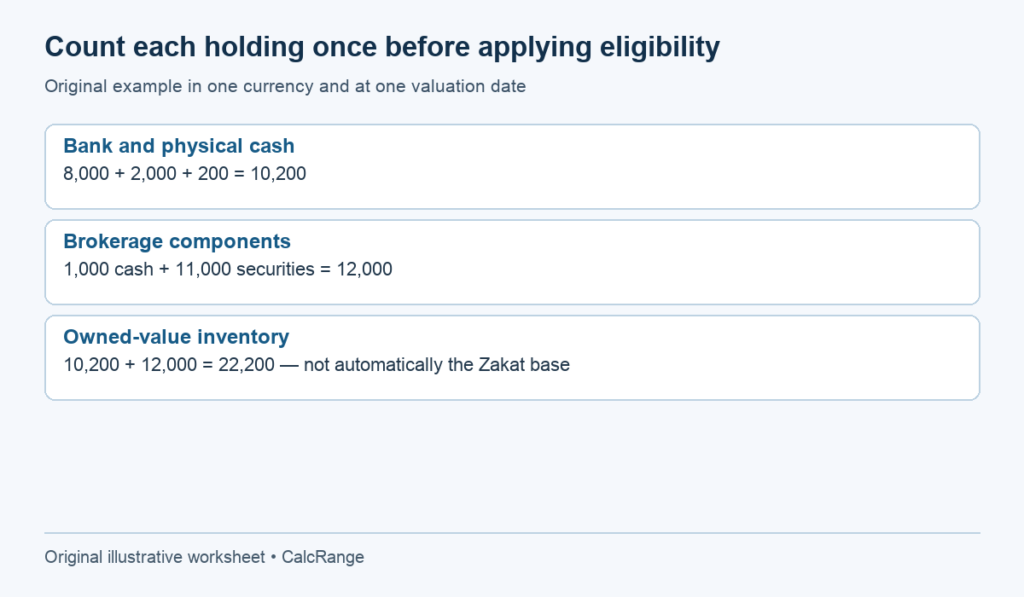
Avoid double counting zakat assets with a same-date ledger for bank transfers, brokerage cash and investments. Separate accounting totals from eligibility rulings.
Explore the calculations behind prayer timetables, Qibla direction, and zakat estimates. Use the prayer times calculator or zakat calculator, then read the relevant method and assumption guides below. Follow trusted local religious guidance where methods or individual circumstances differ.
Avoid double counting zakat assets with a same-date ledger for bank transfers, brokerage cash and investments. Separate accounting totals from eligibility rulings.

Check prayer times when travelling using the destination, local date, returned timezone and local method. Keep location settings separate from travel rulings.
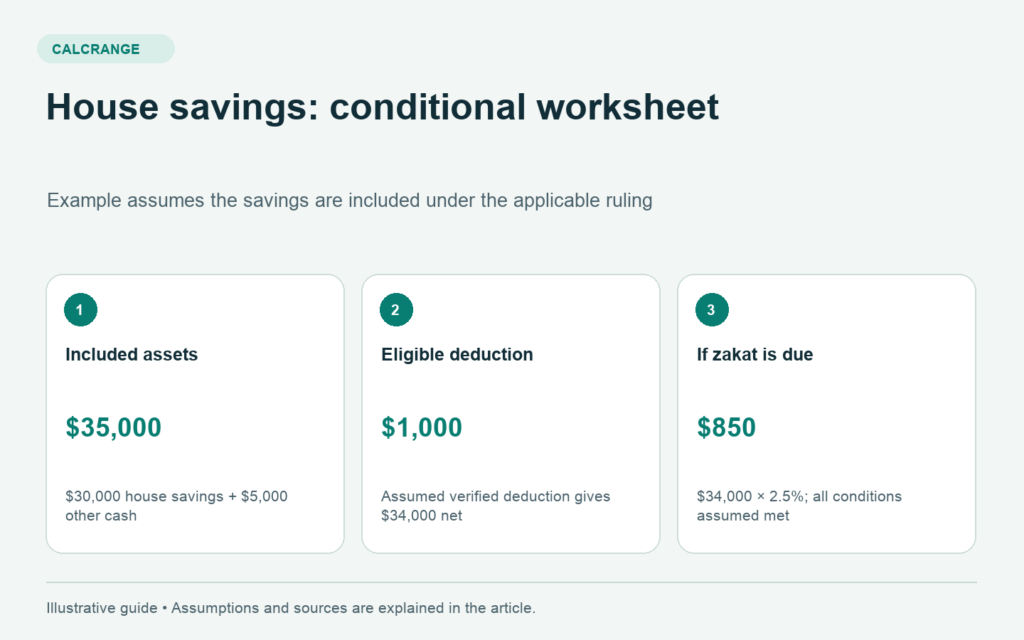
Published rulings differ on savings reserved for a needed home. Identify the ruling that applies before using a calculator to perform the arithmetic.
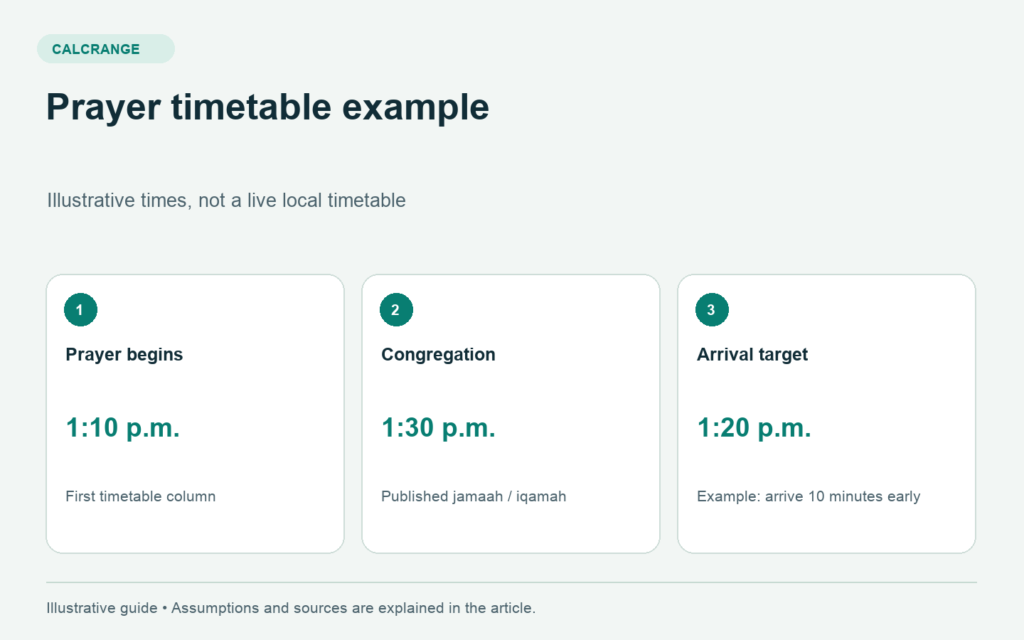
Adhan is the call to prayer. Iqamah is the call immediately before the congregational prayer begins. On a mosque timetable, the prayer’s beginning time and the congregation’s scheduled time can therefore be different.

The Maghrib to Isha time gap is the interval between the timetable’s Maghrib and Isha entries. It varies with the

Understand Zawal, solar noon and Dhuhr. Check location and date settings, see a worked solar-time example, and follow a trusted local prayer timetable.

Your Suhoor and Iftar time come straight from the prayer timetable: Suhoor ends at Fajr and Iftar starts at Maghrib.

Here’s how to calculate Islamic midnight — it’s the midpoint between Maghrib and Fajr, not 12 on the clock. Ask

Here’s how to find Qibla direction from anywhere — with your phone, a compass, or the sun. Whether you’re travelling,

The Fajr Isha angle describes how far the Sun is below the horizon at a calculated twilight event. A method