
Understanding Body Fat Calculators: A Guide
Enter your height and tape measurements to estimate body-fat percentage with the circumference formula used by this tool. Weight is used to convert that estimate into fat mass and lean mass. The result is not a direct measurement of body fat. For a separate resting-energy estimate, see the BMR calculator.
Body Fat Calculator
Estimate your body fat percentage using the U.S. Navy tape method. You’ll also see your fat mass, lean mass and fitness category.
Choose units before entering measurements; changing units clears the values. The male formula uses the abdomen at the navel; the female formula uses the natural waist at its narrowest point and the hips at their widest point. Age is optional and is not used in this equation.
The Navy method is a useful estimate but less precise than methods like DEXA scans. Results depend on accurate tape measurements. Not a medical diagnosis.
This tool uses a classic Navy circumference equation, not the current official military assessment or eligibility procedure. The different male and female measurement sites are described in Navy Guide 4 (January 2024). It is an adult estimation tool; it should not set targets for children, pregnancy or individual medical care.
Use repeat measurements taken in the same way to compare estimates over time. Small changes can reflect tape placement or measurement error, so a single result should not determine a health or weight-loss decision.
The sections below explain the difference between body composition, BMI and other measurement methods. The calculator’s category labels are reference labels, not a diagnosis or a personalized target.
The Basics of Body Composition
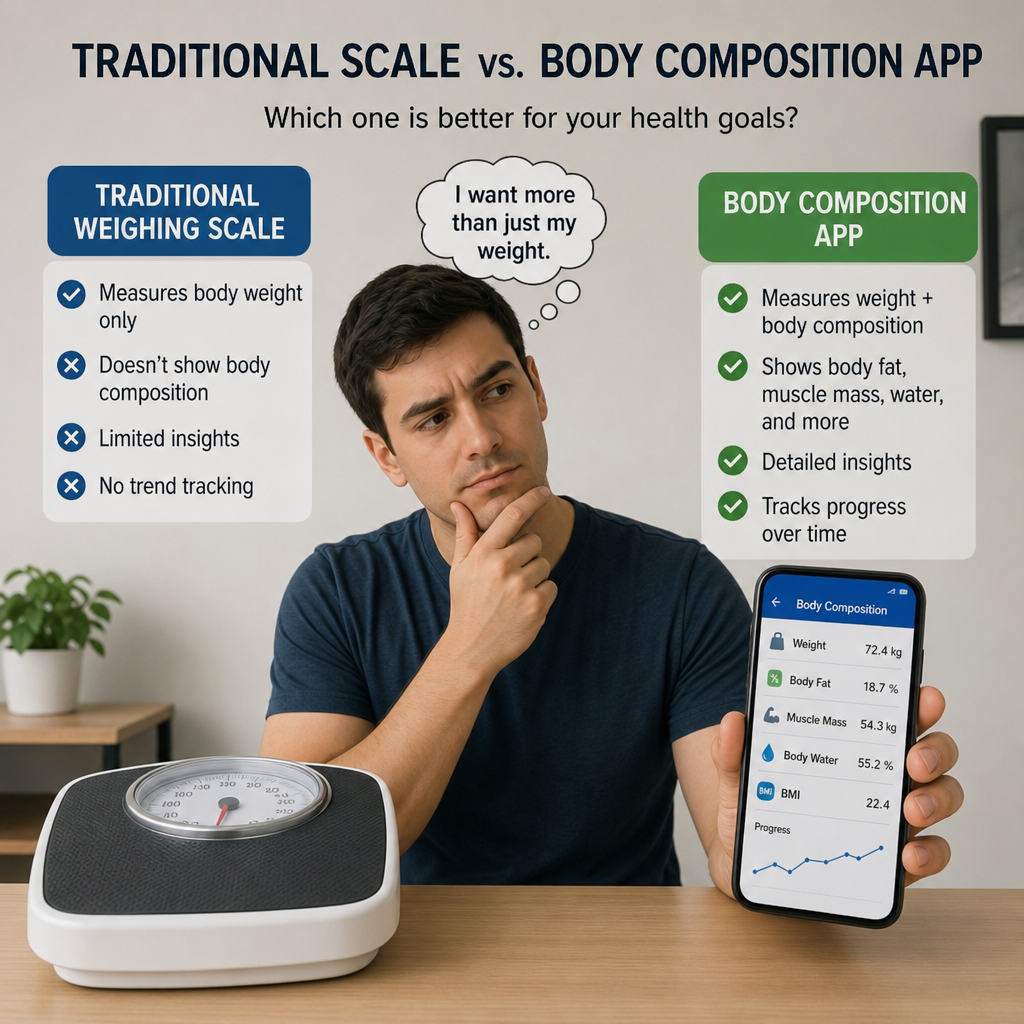
Body Fat Calculator: Before diving into measurement tools, it is crucial to understand what body composition actually means. In simple terms, body composition divides your weight into two main categories: fat mass and fat-free mass (which includes muscle, bone, water, and organs).
Body Fat Percentage vs BMI Differences
BMI relates weight to height. It does not distinguish fat from muscle or bone, and it does not show where fat is stored. The CDC describes BMI as a screening measure that should be considered alongside other health information, including medical history, examination and laboratory findings.
A tape-based body-fat percentage is also an estimate. It does not isolate the exact amount of fat, measure visceral fat or provide a complete assessment of health. A clinician can advise which measurements are appropriate for an individual; this calculator does not replace that assessment.
The Importance of Metabolic Health key to control body fat
You might wonder why body composition matters for metabolic health. The answer lies in how different tissues interact with your endocrine system. Skeletal muscle is highly sensitive to insulin and acts as a sink for blood glucose, helping to prevent type 2 diabetes. Conversely, excessive body fat—especially the fat stored around your organs—releases inflammatory markers and hormones that disrupt insulin regulation. By prioritizing a healthy body composition, you are actively protecting your metabolic systems.
Understanding the Types of Body Fat
Not all body fat is created equal. Knowing the difference between the fat you can pinch and the fat you cannot see is vital for your long-term health.
Subcutaneous vs Visceral Fat
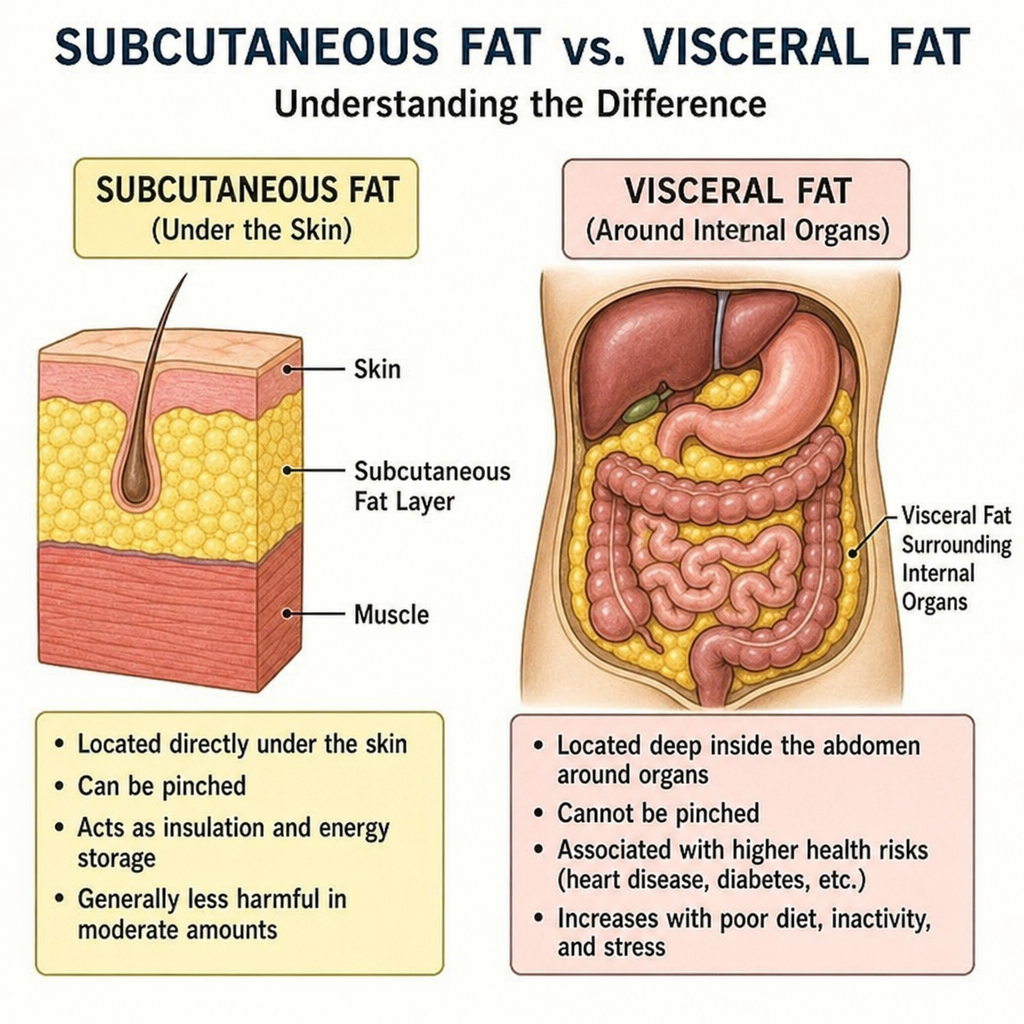
Understanding subcutaneous vs visceral fat is one of the most important aspects of health literacy.
- Subcutaneous Fat: This is the fat that sits just beneath your skin. It is the fat you can pinch on your arms, legs, or belly. While excess subcutaneous fat can affect your appearance and athletic performance, it is generally considered less harmful to your health.
- Visceral Fat: This is the “hidden” fat stored deep within your abdominal cavity, wrapping around vital organs like your liver, pancreas, and intestines. High levels of visceral fat are directly linked to cardiovascular disease, insulin resistance, and systemic inflammation.
Ways to Reduce Visceral Fat Levels
Because visceral fat is highly metabolically active, it actually responds very well to lifestyle interventions. Effective ways to reduce visceral fat levels include:
- Prioritizing Lean Protein and Fiber: A diet rich in soluble fiber and lean protein helps regulate blood sugar and reduces abdominal fat storage.
- Engaging in HIIT: High-Intensity Interval Training has been shown to be particularly effective at burning visceral fat.
- Managing Stress: Chronic stress elevates cortisol levels, which specifically signals the body to store fat around the abdomen.
- Improving Sleep Quality: Aim for 7-9 hours of quality sleep per night, as sleep deprivation is closely tied to increased visceral fat accumulation.
What is a Healthy Range?
Now that we know what body fat is, what should your goal be? The answer depends entirely on your age, biological sex, and lifestyle goals.
Healthy Body Fat Range by Age and Gender
Women naturally carry a higher percentage of body fat than men due to hormonal differences and the physiological demands of childbearing. Furthermore, a slight increase in body fat is normal and even protective as we age.
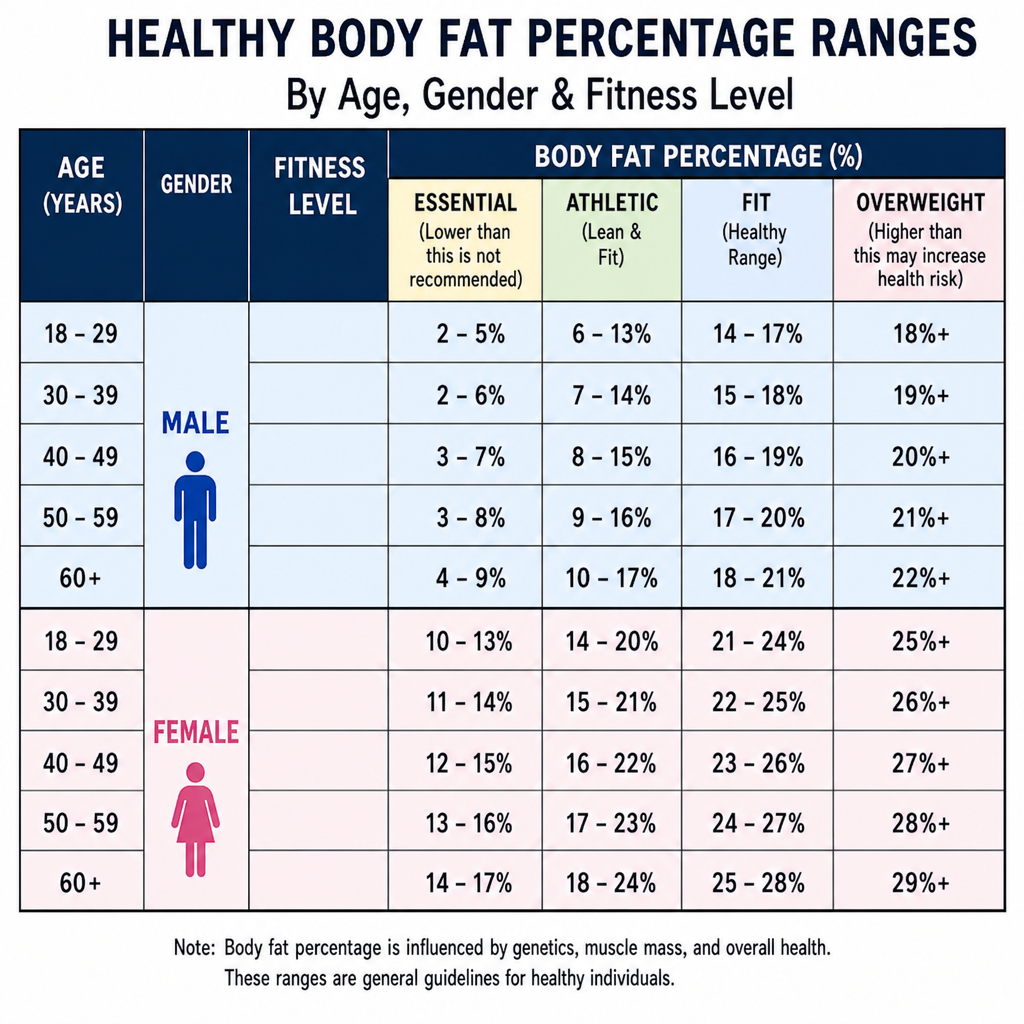
When looking at a healthy body fat range by age and gender, medical professionals generally follow these guidelines:
For Men:
- Ages 20-39: 8% – 19%
- Ages 40-59: 11% – 21%
- Ages 60+: 13% – 24%
For Women:
- Ages 20-39: 21% – 32%
- Ages 40-59: 23% – 33%
- Ages 60+: 24% – 35%
Ideal Body Composition for Peak Performance
If you are an athlete, your targets will look slightly different. The ideal body composition for peak performance varies by sport, but generally, male athletes hover between 6% and 13%, while female athletes aim for 14% to 20%. Dropping below these essential fat levels can lead to severe health issues, including hormonal imbalances, decreased bone density, and chronic fatigue.
Accessible Methods: Measuring at Home
You do not need to visit a sports science laboratory to get a good estimate of your body composition. There are several accessible methods to track your progress at home.
How to Measure Body Fat Percentage at Home
Learning how to measure body fat percentage at home empowers you to take control of your fitness journey. The most common household methods utilize a simple tailor’s measuring tape, taking advantage of validated mathematical formulas.
The US Navy and Army Methods
One of the most popular and time-tested tools is a standard Body Fat Calculator that utilizes military measurement protocols.
If you want to use this method, you will need to follow the US Navy method formula instructions closely. For men, this requires measuring the circumference of the neck and the abdomen (at the navel). For women, the measurements include the neck, the natural waist, and the widest part of the hips. By plugging these numbers, along with your height, into an online Body Fat Calculator, you receive a remarkably consistent estimate of your body fat percentage.
Similarly, an army body fat calculator relies on strict height and circumference tape measurements to ensure service members meet military readiness standards. While tape measurements may slightly overestimate body fat in highly muscular individuals or underestimate it in those with very low muscle mass, it remains an excellent, free way to track changes over time.
Waist to Hip Ratio
Even without a complex formula, you can assess your metabolic risk by looking at your waist to hip ratio as a health indicator. Simply divide your waist measurement by your hip measurement. According to the World Health Organization, a ratio over 0.90 for men and over 0.85 for women indicates a significantly higher risk of metabolic complications, regardless of total body weight.
Using Calipers and Smart Scales
If you want to upgrade your home tracking setup, you might consider purchasing skinfold calipers or a smart scale.
Skinfold Calipers
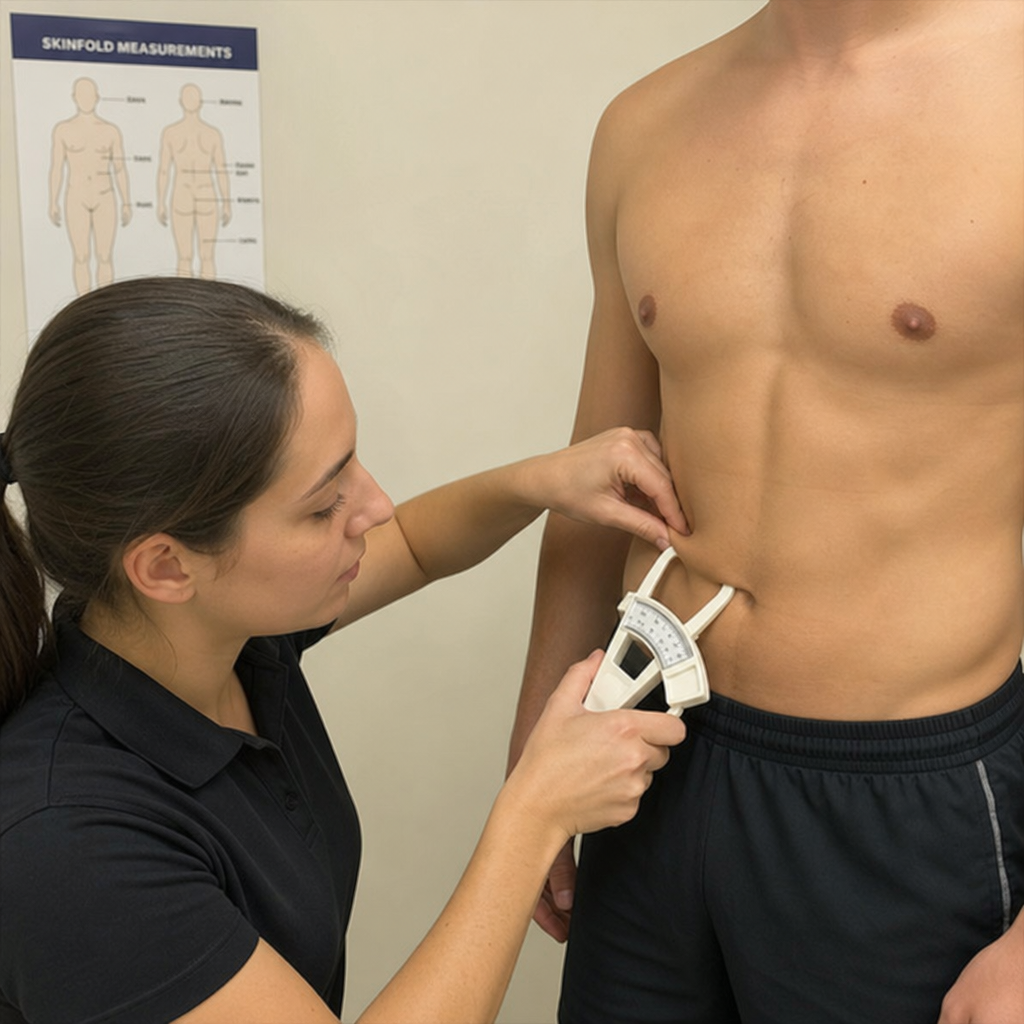
Calipers measure the thickness of subcutaneous fat at specific points on the body. To get an accurate reading, you must follow a proper skinfold caliper measurement sites guide. Body fat calculator plays an important part in this:
The most common protocol is the Jackson-Pollock 3-site or 7-site method.
- For men: The 3-site method typically measures the chest, abdomen, and thigh.
- For women: The 3-site method focuses on the triceps, suprailiac (just above the hip bone), and thigh.
While calipers are inexpensive and effective, they require practice. The angle of the pinch, the exact location, and the pressure applied must remain consistent to yield reliable tracking data.
Bioelectrical Impedance (BIA) Scales
Walk into any modern bathroom, and you are likely to see a digital “smart scale.” These devices use Bioelectrical Impedance Analysis (BIA) to estimate body composition by sending a tiny, painless electrical current up one leg and down the other. Because fat contains less water than muscle, it resists the electrical current more.
However, consumers should be aware of the accuracy of bioelectrical impedance scales. Because these scales rely heavily on body water content to calculate resistance, your hydration levels dramatically impact the results. If you weigh yourself after a sweaty workout, dehydrated, the scale will read a higher body fat percentage. Conversely, if you step on the scale after drinking a liter of water, your body fat percentage will artificially drop. To get the best use out of a BIA scale, use it under identical conditions every time—ideally first thing in the morning, before eating or drinking, and after using the restroom.
Clinical and Advanced Measurement Methods
When absolute precision is required—perhaps for elite athletic training, clinical weight loss trials, or deep medical diagnostics—professionals turn to advanced technological assessments.
DEXA Scan vs Hydrostatic Weighing
For decades, the “gold standard” of body composition testing was a debate of dexa scan vs hydrostatic weighing comparison.
Hydrostatic Weighing (Underwater Weighing): This method relies on Archimedes’ principle. Because fat is less dense than water, it floats, while muscle and bone sink. By comparing your weight on dry land to your weight while fully submerged in a tank of water (after exhaling all the air from your lungs), technicians can calculate your body density and, subsequently, your body fat percentage. While incredibly accurate, it is uncomfortable, expensive, and not widely accessible.
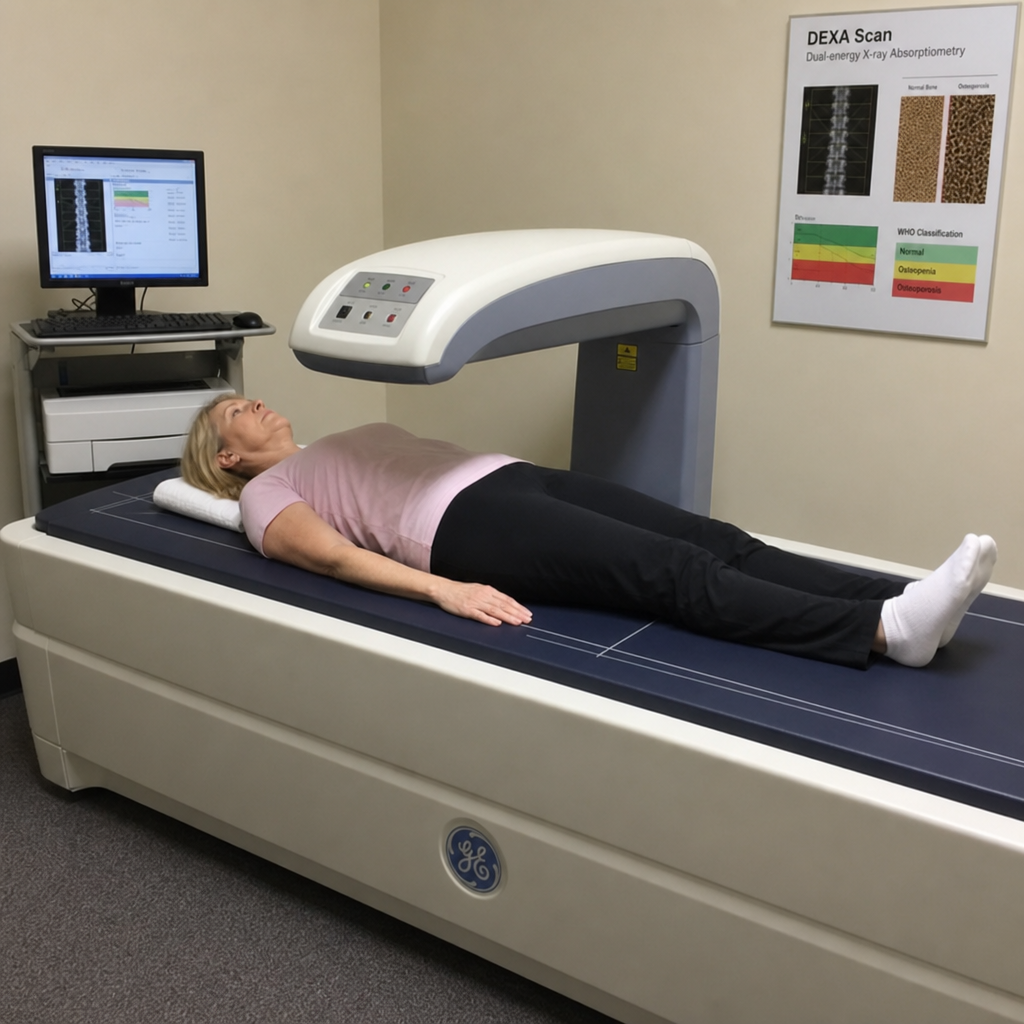
DEXA Scan (Dual-Energy X-ray Absorptiometry): Today, the DEXA scan has largely taken the crown as the preferred clinical method. Originally designed to measure bone mineral density to screen for osteoporosis, a DEXA scan utilizes two low-dose X-ray beams that pass through the body. It provides a highly detailed, three-part breakdown of your body composition: fat mass, lean mass, and bone density. Better yet, it maps where the fat is distributed, offering precise insights into your visceral fat levels. It is entirely non-invasive; you simply lie still on a table for about ten minutes.
Air Displacement Plethysmography
If holding your breath underwater sounds miserable, and you want to avoid X-rays, there is a third clinical option. Looking at air displacement plethysmography pros and cons (commonly known as the BOD POD), we find an excellent middle ground.
Instead of displacing water, the BOD POD displaces air. You sit inside an enclosed, egg-shaped chamber for a few minutes while computerized sensors measure the volume of air your body displaces.
- Pros: It is incredibly fast, non-invasive, safe for all populations (including pregnant women and children), and highly accurate.
- Cons: It is expensive, sensitive to the clothing you wear (requires tight-fitting swimwear and a swim cap), and can cause claustrophobia for some users.
The Interconnected Web of Fat, Muscle, and Metabolism
Measuring your body composition is just the first step. The true power lies in understanding how your body fat and lean muscle mass interact to dictate your daily energy expenditure.
Body Fat and Your BMR
There is a profound relationship between body fat and basal metabolic rate (BMR). Your BMR is the number of calories your body burns at rest just to keep your organs functioning—breathing, circulating blood, and repairing cells.
Muscle tissue is highly metabolically active, meaning it requires a significant amount of energy (calories) to maintain. Fat tissue, on the other hand, is a storage tissue and requires very little energy to sustain itself. Therefore, two people can weigh exactly 180 pounds, but the person with a lower body fat percentage and higher muscle mass will have a significantly higher BMR. They naturally burn more calories sitting on the couch than the person with a higher body fat percentage.
The Importance of Lean Mass Tracking
This metabolic reality highlights why monitoring lean body mass changes is just as important—if not more important—than tracking fat loss. When people go on extreme, low-calorie “crash diets,” they often lose a combination of fat, water, and precious muscle tissue.
Losing muscle drops your BMR, meaning your body now requires fewer calories to survive. This is the exact mechanism that leads to the dreaded “rebound weight gain” or yo-yo dieting effect once normal eating resumes. By regularly using a reliable tracking method, you can ensure that your weight loss efforts are specifically targeting fat stores while preserving your metabolic engine (your muscle). To protect lean mass during a fat loss phase, ensure you are eating adequate protein and engaging in regular resistance training.
Conclusion
Stepping away from the traditional scale and stepping into the world of body composition tracking is a transformative shift for your health. The numbers on a bathroom scale can fluctuate wildly based on hydration, carbohydrate intake, and muscle growth, often masking the incredible internal progress you are making.
By understanding how to utilize a Body Fat Calculator and choosing a tracking method that fits your budget and lifestyle—whether that is a simple measuring tape, a smart scale, or a clinical DEXA scan—you give yourself the gift of clarity. Remember that the ultimate goal is not to drive your body fat as close to zero as possible, but rather to find the healthy, sustainable range that supports your energy levels, protects your metabolic health, and allows you to live your life to the fullest. Keep an eye on your trends over time, prioritize muscle preservation, and let your body composition data be a tool for empowerment rather than judgment.